Seminary Heritage Sabbath

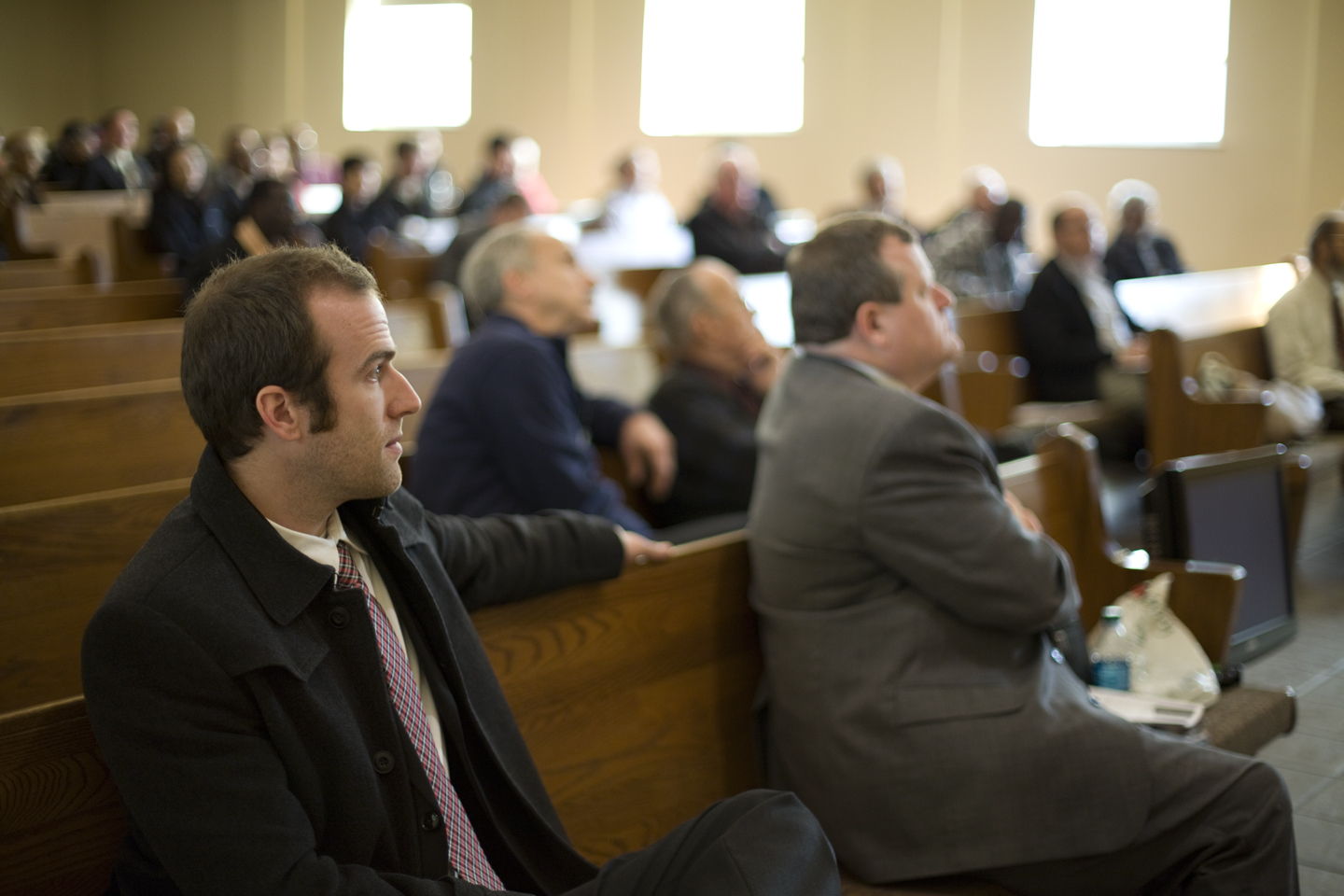
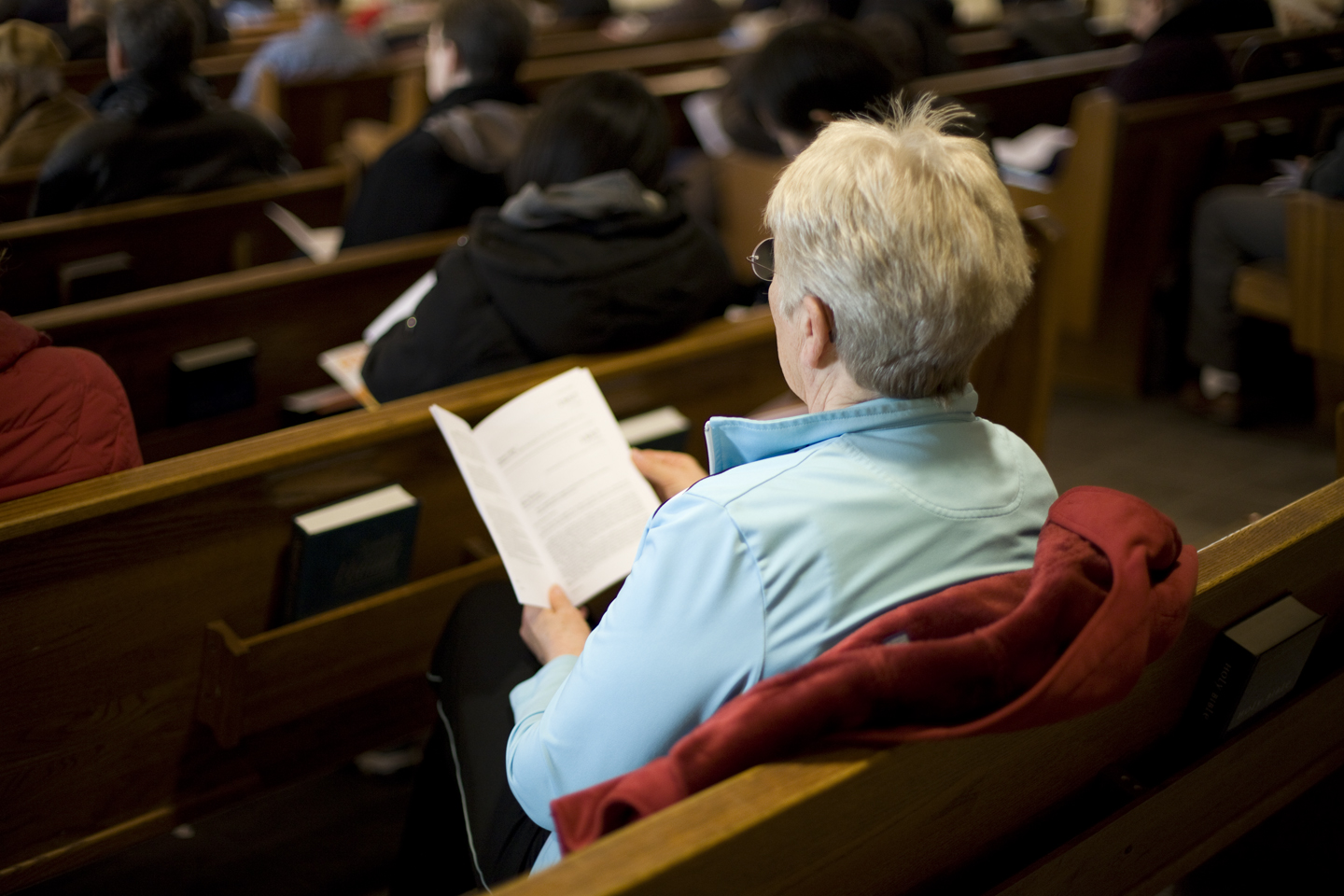
As the Seventh-day Adventist church grows and becomes more diverse and distant from the culture and language at its beginning, a challenge has arisen in teaching an understanding of the church’s unique identity. There is a lack of knowledge of Adventist identity both within and without the Seventh-day Adventist church. Members everywhere ask “What makes us unique as a church?” Twelve years ago, in 2002, then Seminary student Michael Campbell, facilitated the first Seminary Heritage Sabbath at the Historic Village in Battle Creek, Michigan. The 13th annual Seminary Heritage Sabbath was held this year on September 6 at the Historic Adventist Village in Battle Creek, Michigan. Set near the beginning of the school year, the special day is intended to be a foundational event for students in their year at the seminary.

A large part of our Adventist theological identity can be found in the Great Controversy theme. There is a war that is being fought between Satan and his angels and Christ and his angels. In the humble home of James and Ellen White on Wood Street in the Historic Adventist Village, Ellen White began writing on this theme. The White home can function as a mnemonic “hook” to anchor the Great Controversy theme in the mind.

The Whites first moved to Battle Creek in 1855. They built their home in 1856 and it was the only place where the entire family, with all four boys lived together. John Herbert died in infancy and Henry died at the age of 16. Not until the Second Coming and the resurrection will they all be together again. The boys’ bedroom is found on the main floor with one wide bed for the older two sons, Henry and Edson, and a trundle bed for little Willie. On the second floor is a room with a writing desk and a rocking chair. Ellen White would often awaken in the early hours of the morning and write for some time. At the breakfast table she would share some of what she had been writing that morning.

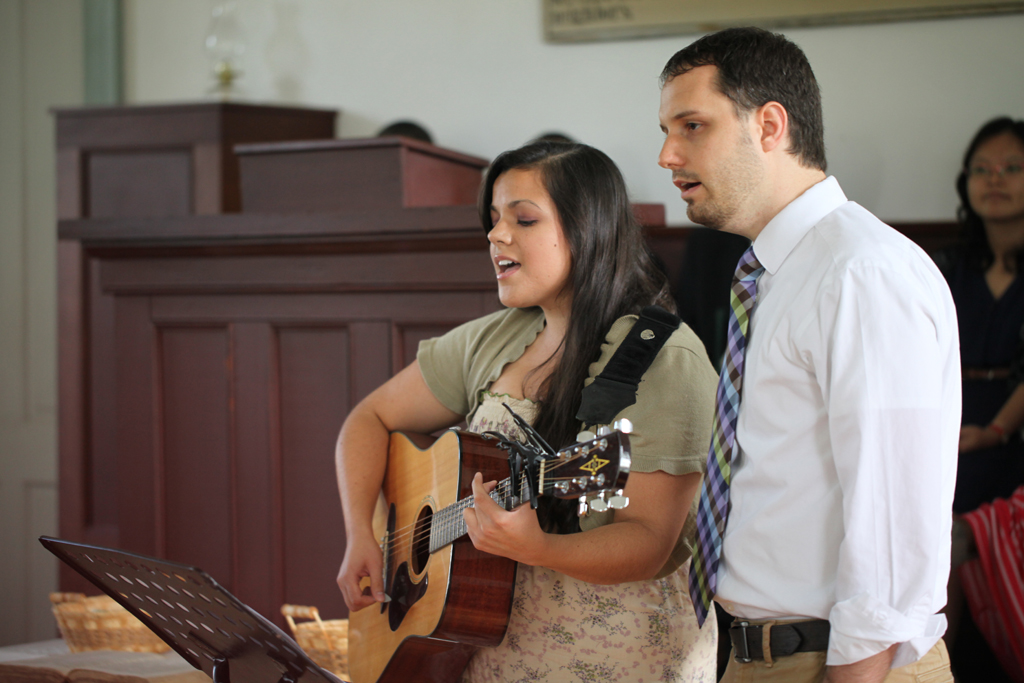
Mariesa and Matthew Tinkham

For this fall’s Heritage Sabbath Mariesa and Matthew Tinkham gave a special music entitled “In the Sanctuary.” The lyrics of this song enunciate our distinct Seventh-day Adventist belief in the role of Jesus as our High Priest in the heavenly sanctuary. “He’s our Defender before the Father . . . investigating, He clears the record of those redeemed by His own blood.”

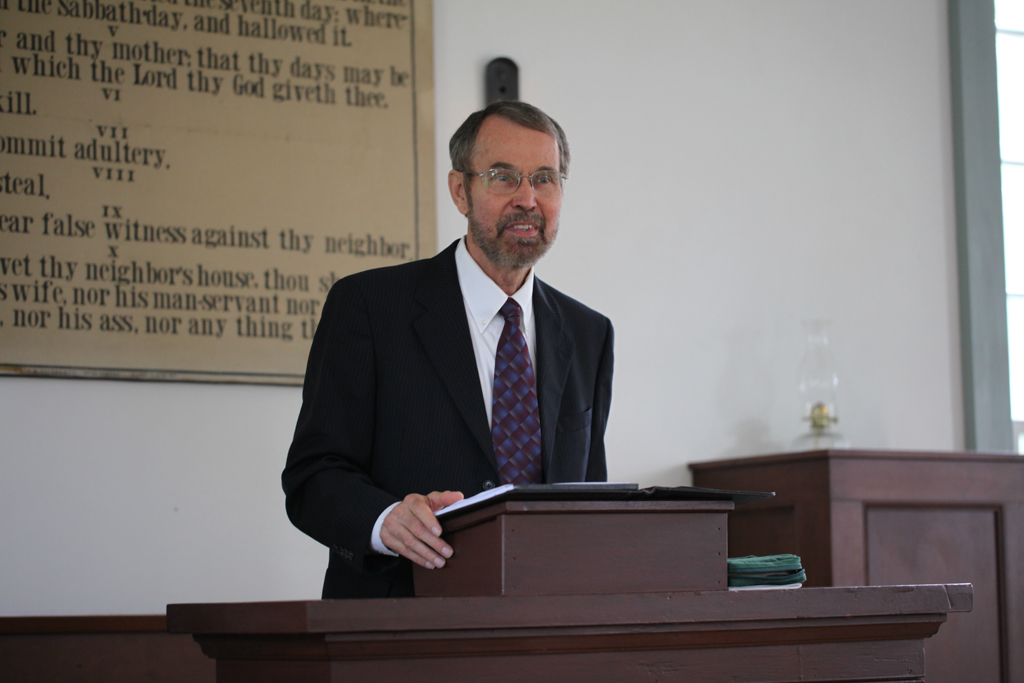
Dr. Richard M. Davidson spoke for the morning worship service. He holds the title of J. N. Andrews, Professor of Old Testament Interpretation, at the Seventh-day Adventist Theological Seminary. The title of his sermon was “The Sanctuary Message—So What?” He introduced his sermon with an overview of the pioneers’ understanding of the sanctuary message and how it affected their sense of mission. Then he spoke about how the second-generation pioneers understood the sanctuary. Next he shared his personal testimony about his own growth in understanding the sanctuary including living through the Ford Crisis of the 1980s. Then he gave a Biblical exposition asking various Bible characters what they thought of the Most Holy Place ministry of Jesus and the investigative judgment. Davidson pointed out the chiastic structure of the Pentateuch with chapter 16 of Leviticus as the center, which he explained as essential to understanding the meaning of the Books of Moses. Leviticus 16 discusses the Day of Atonement, which was the climax of the Sanctuary service in the Jewish calendar year. Yom Kippur, the Day of Atonement, occurs right after Rosh Hashanah at the beginning of the Jewish New Year which is usually in September and followed by the festival of tabernacles. Under the first covenant the Day of Atonement was the day when the temple was cleansed of sin through the blood of a sin offering. With the death of Jesus the first covenant ended, and Jesus became our sin offering under the New Covenant.

In reflecting on Dr. Davidson’s sermon, Samuel Pagán De Jesús, PhD student in Adventist Studies, said: “Dr. Richard Davidson’s message was inspiring. It sought to answer the question: “Why the sanctuary?” And through the historical testimonies of the pioneers and his own personal testimony, together with his biblical understanding and explanations, he reaffirmed the faith of visiting students, not only on the importance of the sanctuary message for Adventists, but of more importance, the relevance of this for today’s world. In light of suffering humanity, he challenged us to look into the sanctuary where Jesus as our High Priest is working for our salvation.”

Dr. Richard Davidson

Dr. Richard Davidson

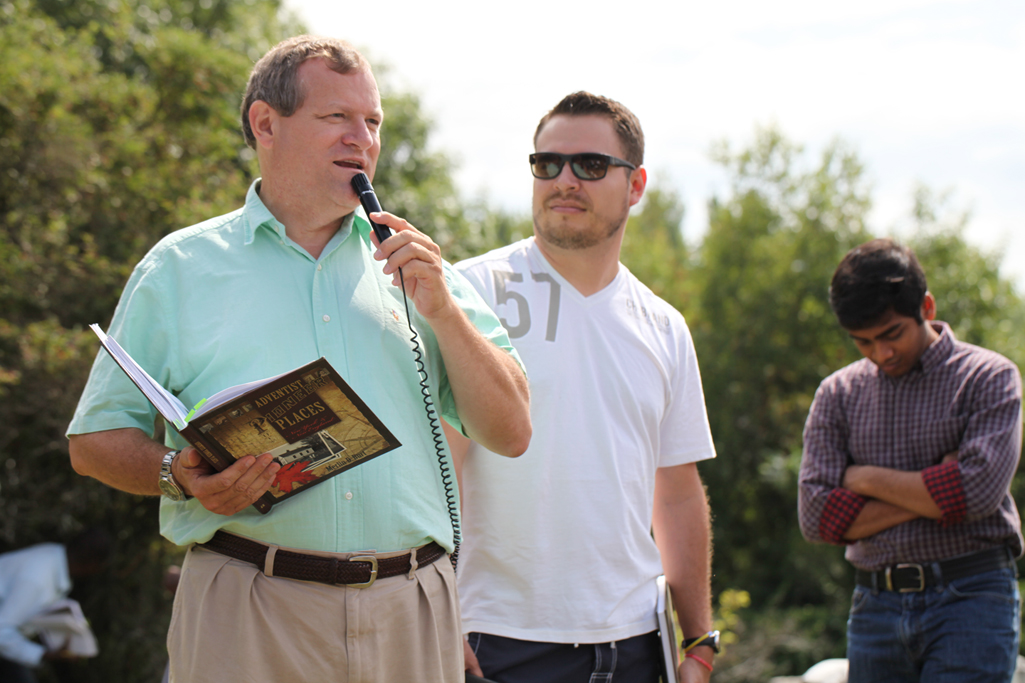
Dr. Merlin Burt told stories in the Oak Hill Cemetery (with the date 1844 written in wrought iron above its gates). There are hundreds of names that are familiar to Seventh-day Adventists written on the memorial stones of that cemetery. The stories of the men and women buried there could fill several volumes. On the cemetery tour during Seminary Heritage Sabbath, a few of these stories were highlighted. Located in this cemetery are the graves of the White family; John Byington, the first president of the General Conference; C. W. Post; Sojourner Truth; Goodloe Bell, founding professor of Battle Creek College; Uriah Smith; and many others.

Many of the attendees at Seminary Heritage Sabbath have been pastors or soon will be. As such, many related best to the story told of Uriah Smith, who was editor of the Review and Herald for nearly 50 years. Smith was the “pastor” for many nineteenth-century readers scattered far from other believers and without a local congregation with which to meet. His nine-year sojourn in a spiritual wilderness while still holding the office of editor was a comfort and charge to those in the pastoral ministry. To hear this story, come next year on the tour of the cemetery.

Seminary Heritage Sabbath is an annual event for students of the Seventh-day Adventist Theological Seminary at Andrews University. This day is a way for Seminary students and their families to connect with the spiritual and theological roots of the Seventh-day Adventist church. John McVay, former dean of the Seminary said this: “As we grow chronologically distant from those early chapters of our story, we must be intentional about connecting with our own saga. We dare not become emotionally or spiritually estranged from our pioneers and their zeal for the Second Coming of Jesus.”

Publications and Research Theme of Symposium


The March 24, 2014, Ellen White Issues Symposium explored new research in the area of literary structures including chiastic structures found in the writings of Ellen White; studied the influence of music in the writing of the Desire of Ages by Ellen White; and considered new publications, The Ellen White Encyclopedia and Ellen G. White Letters and Manuscripts with Annotations 1845 to 1859. The day concluded with the always informative and engaging Current Issues Discussion facilitated by Merlin Burt. This was the tenth annual Ellen White Issues Symposium. It was held in the chapel of the Seventh-day Adventist Theological Seminary on the campus of Andrews University, in Berrien Springs, Michigan.
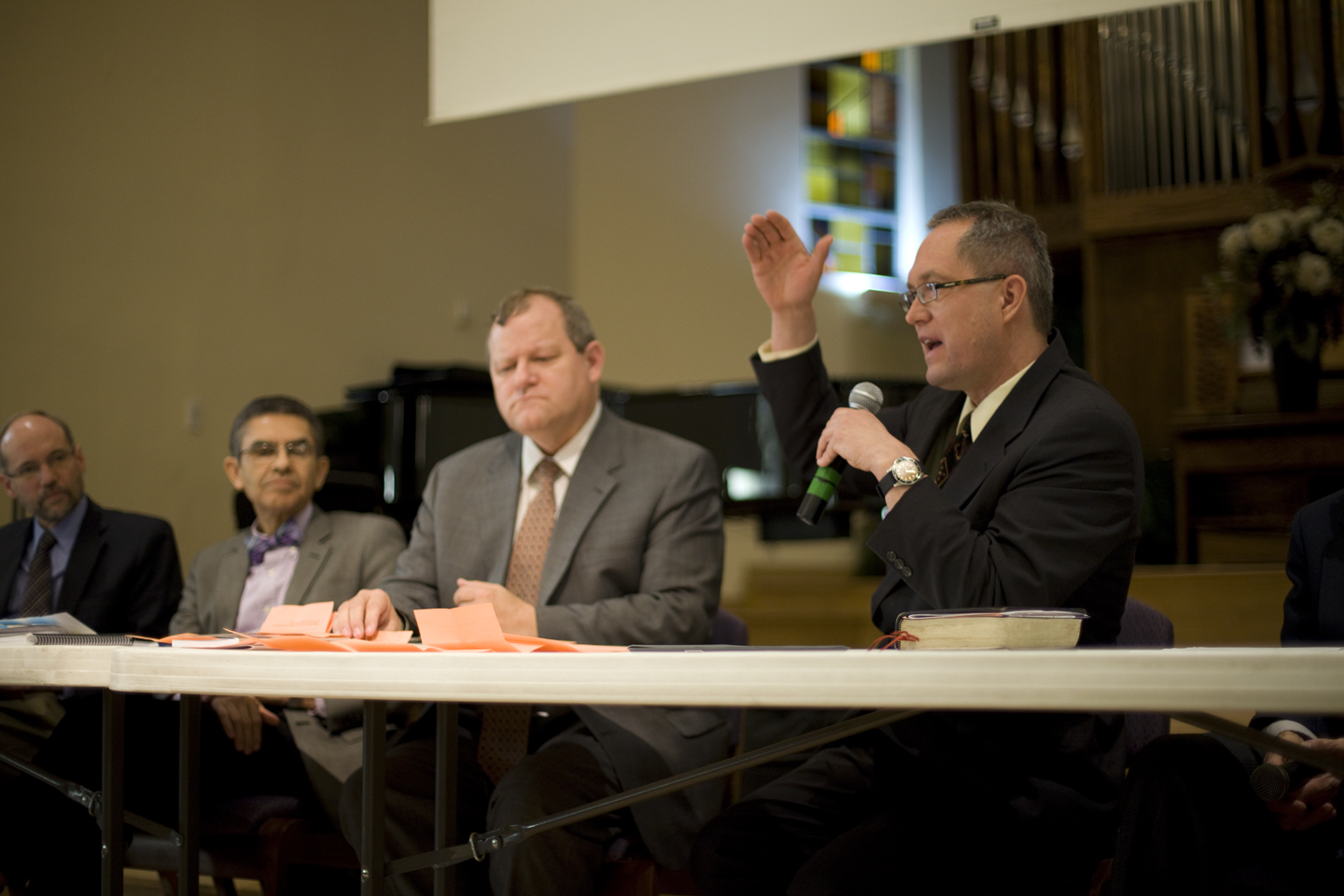
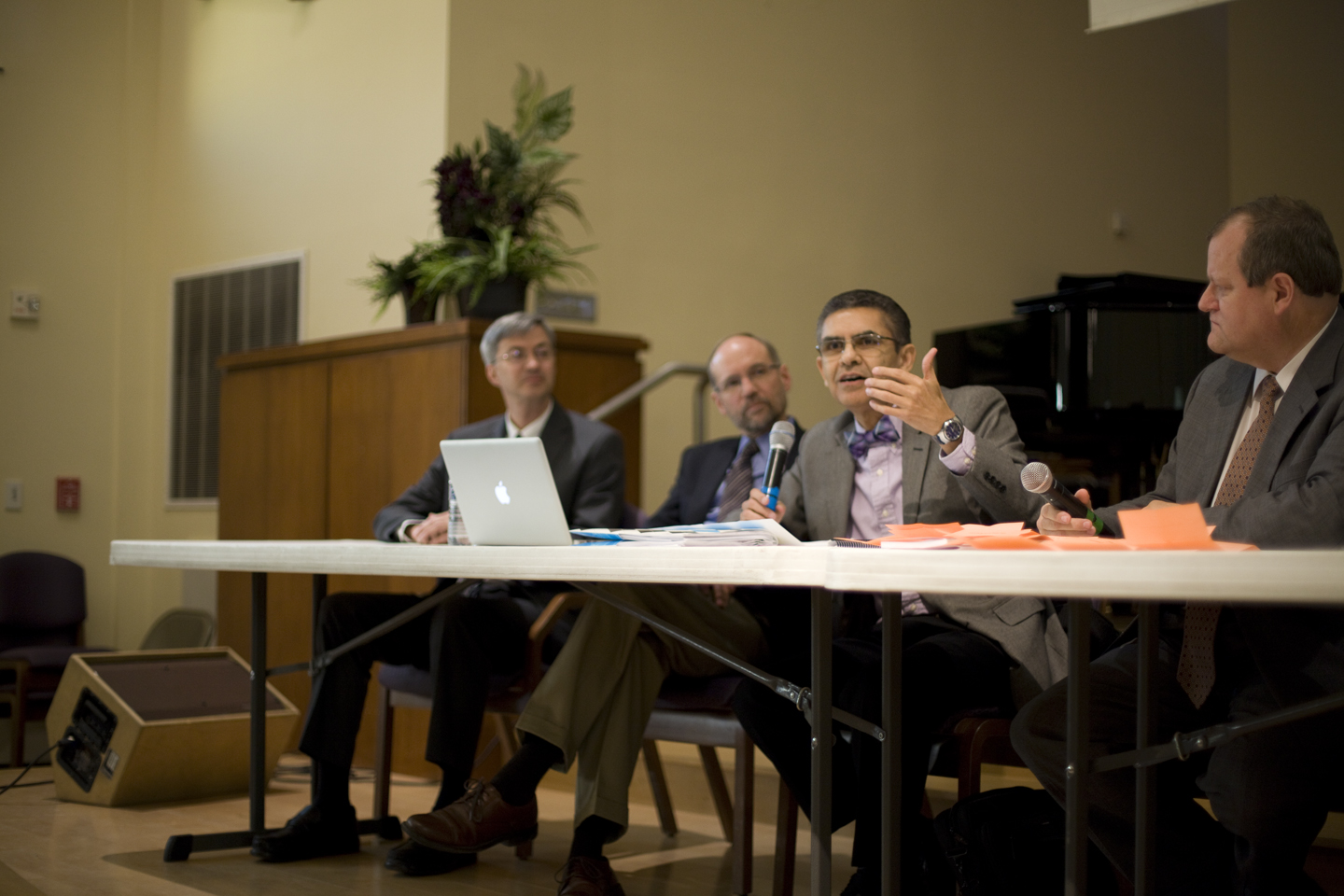
Richard Davidson giving a response to Ron du Preez's presentation at the Ellen White Issues Symposium.

Richard Davidson giving a response to Ron du Preez’s presentation at the Ellen White Issues Symposium.

This annual symposium seeks to break new ground in understanding Ellen White and issues relating to her life, ministry, and prophetic gift. Jim Shiels, an attendee, had this to say regarding the symposium: “I want to personally thank you for organizing and sponsoring the Symposium again this year. This year was the third year that I have attended under the category of “other interested persons.” I am thankful it is open to interested laypersons!”
The presenters this year included Mike Oxentenko, Ron du Preez, David Williams, Tim Poirier, Stan Hickerson, Denis Fortin, and Jerry Moon. Three presenters were unable to give their presentations in person. David Williams was called away for the birth of his daughter, Denis Fortin had a conflicting teaching assignment out-of-state, and Jerry Moon had other obligations. Jerry Moon was, however, able to be present for the Current Issues Discussion. Stan Hickerson read David Williams’ paper, and Denis Fortin and Jerry Moon made their presentation via a video recording.

2014 Ellen White Issues Symposium

The first two presentations of the 2014 symposium complemented each other in their focus on chiastic and literary structures found in the writings of Ellen White. Mike Oxentenko looked at macro chiastic structures at a chapter and book level. Oxentenko also compared Ellen White’s writings to that of William Foy. Ron du Preez looked at micro chiastic structures on a paragraph and sentence level, mostly in the Desire of Ages. Exploration of the idea of literary structures in Ellen White’s writings is significant to understanding her intended meaning in her writings. There is much that still needs to be studied, but it seems that she sometimes uses chiasms and other forms of parallelism much like biblical writers.

Stan Hickerson kindly stepped in and read David Williams’ paper. In it Williams explored the concept that music inspires us and showed that Ellen White does link worship experience to theology. His research gives evidence that her writings reveal a theology of worship and music rooted in the Great Controversy theme. Williams also explored the influence that music had on the content of Desire of Ages.
2014 Ellen White Issues Symposium

A long awaited publication, the Ellen White Encyclopedia, is now available. Via video Denis Fortin and Jerry Moon told the story behind its creation and publication. Work on the Encyclopedia began in 2001 after George Knight conceived of the idea. When Knight retired he passed the baton for running the project to his Seventh-day Adventist Theological Seminary colleagues Denis Fortin and Jerry Moon. Together they worked with nearly 200 authors and decided to give the manuscript to the Review and Herald Publishing Association for publication. They submitted their work for publication in 2011. They had little idea that the manuscript would take two years to copy edit. It was with great delight that they heard the book was on the printing presses and would be on the shelves for sale in late 2013. The local Adventist Book Center was able to be on site during the afternoon to sell copies of the Encyclopedia at a special reduced Symposium price.

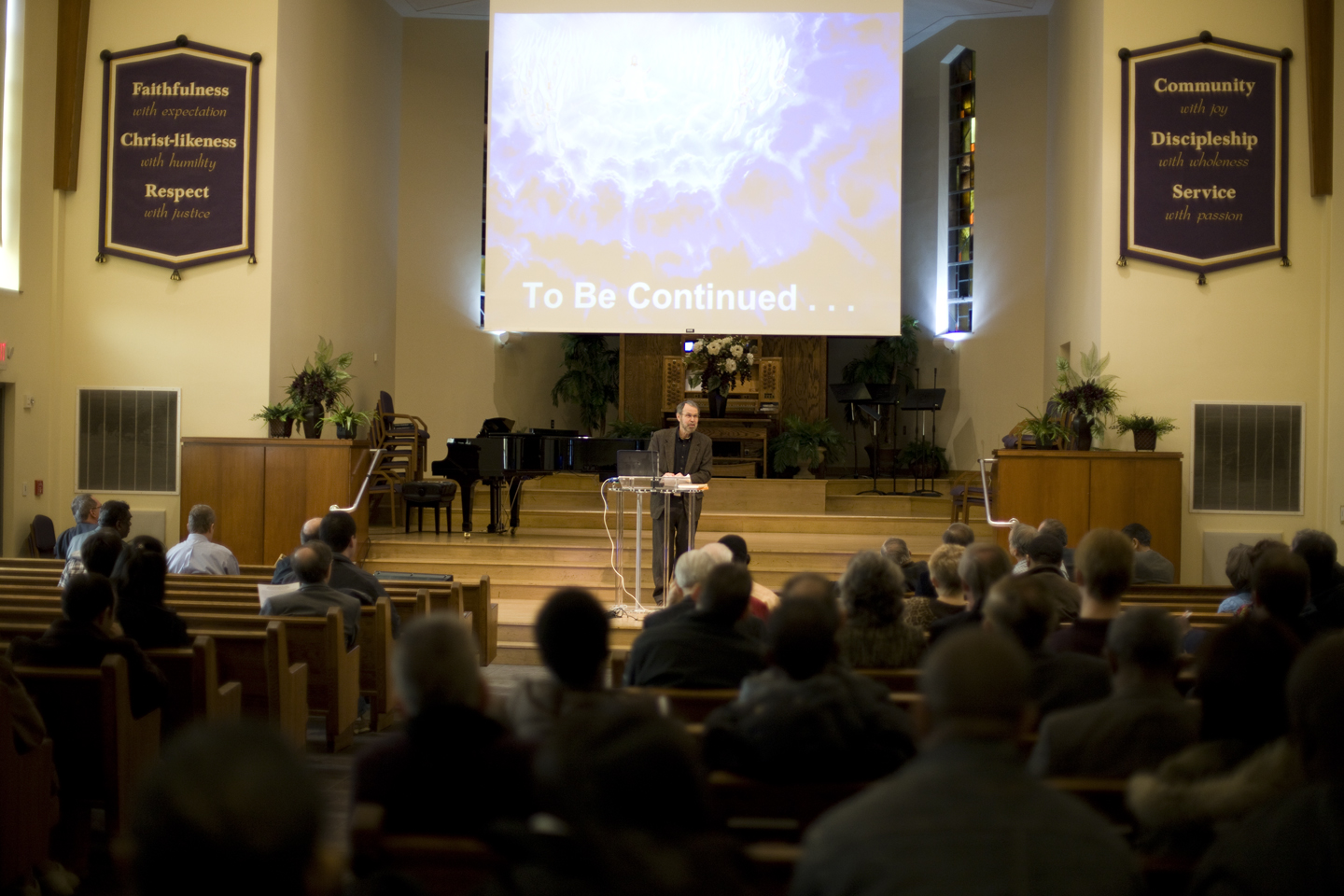
Tim Poirier speaking during his presentation on the Annotation Project of the Ellen White letters and manuscripts.

Tim Poirier speaking during his presentation on the Annotation Project of the Ellen White letters and manuscripts.

Tim Poirier, Vice Director of the Ellen G. White Estate, explained how to read the Ellen G. White Letters and Manuscripts with Annotations 1845 to 1859. After the overview of the new publication, Poirier used a handout with excerpts from the forthcoming book of several letters and manuscripts to illustrate how the annotations are included in the printed work.

Stan Hickerson, current annotation editor for the White Estate, presented how he does his work of annotating the letters and manuscripts. The annotation of volume two (1860-1863) is scheduled to be finished in 2015. Hickerson also included several stories that unfolded during his research.
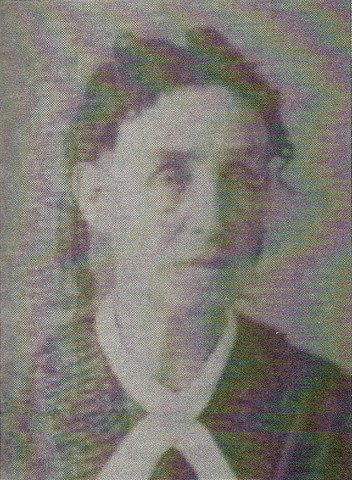
Martha Purple MD

Martha Purple MD

One example he gave was of Dr. Martha Purple. Ellen White, in Letter 28, 1861, written to her close friend Lucinda Hall, says that her son Edson (about age 12) was very sick and was in the care of Mrs. Purple. Hickerson at first believed this to be an Adventist family named Purple that he knew had lived in Michigan, but later found they were not in the area at that time. After finding a Review and Herald article (“Remarkable Answer to Prayer” April 22, 1862, page 164), he made the connection to Dr. Purple. He was able to find out more about her through census records and other resources. The article states that many of the Adventists had been using the services of Dr. Purple. This was several months before Ellen White’s health reform vision. Hickerson believes that God used the influence of Dr. Purple to help prepare the group of Adventist believers to be more open to health reform. The Adventist group at that time were prejudiced against medical professionals. Their custom was to pray for the sick individual and have faith that God would heal them. Through the influence of Dr. Purple, their prejudices may have been reduced making them more open to the concept of using remedies in the care for the sick.

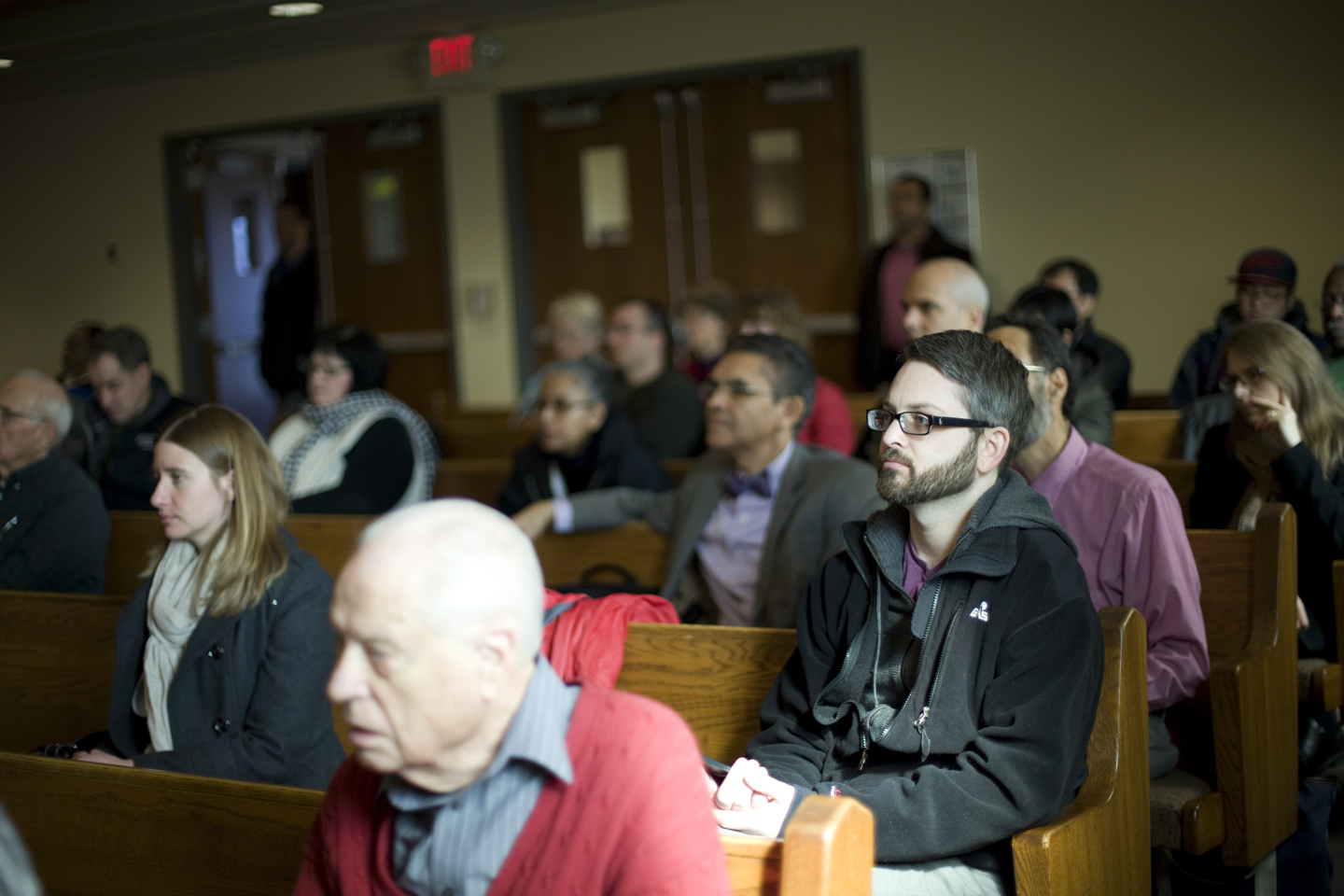
Attendee listens to Tim Poirier's presentation during the 2014 Ellen White Issues Symposium.

Attendee listens to Tim Poirier’s presentation during the 2014 Ellen White Issues Symposium.

It is remarkable that we have had so many new publications on Ellen White during the past few years. In addition to the Encyclopedia and the Ellen G. White Letters and Manuscripts with Annotations 1845 to 1859, 2010 saw the publication of Ellen White Under Fire: Identifying the Mistakes of Her Critics, by Jud Lake. In 2011 The Prophet and the Presidents : Ellen G. White and the Processes of Change, 1887-1913 : A Study of Ellen White’s Influence on the Administrative Leadership of the Seventh-Day Adventist Church, by Gilbert M. Valentine was published. Green Cord Dream : Pursuing Ellen White’s Vision of Jesus and His Church, by Alex Bryan was published in 2012. The first two volumes of the Ellen G. White Periodical Resource Collection, compiled by the Ellen G. White Estate, were published near twenty years ago. The final two volumes were completed in 2013. Also published in 2013 was Three Adventist Titans: the Significance of Heeding or Rejecting the Counsel of Ellen White, by Albert Dittes.

A publication coming out in July of 2014 from the Oxford University Press is Ellen Harmon White: American Prophet. The editors of this book are Terrie Dopp Aamodt, Gary Land, and Ronald L. Numbers. We look forward to other publications in the area of Ellen White studies in the next few years including a book on understanding Ellen White edited by Merlin Burt. It will serve as a reader for undergraduate and graduate classes on Ellen White as well as a reliable resource for pastors.
Ron du Preez speaking during the Current Issues Discussion at the 2014 Ellen White Issues Symposium.

Ron du Preez speaking during the Current Issues Discussion at the 2014 Ellen White Issues Symposium.

Jim Ford, attendee to the symposium, believes the Encyclopedia will prove to be a really important publication because “The availability of the Ellen White Encyclopedia will sweep away a lot of misunderstandings. Now we can know the people addressed and have a better idea of some of the situations she was addressing. Taken together with the forthcoming Annotations volume they will remove a lot of ambiguity about the context of Mrs. White’s messages.”

Mike Oxentenko speaking during the Current Issues Discussion at the 2014 Ellen White Issues Symposium.

Mike Oxentenko speaking during the Current Issues Discussion at the 2014 Ellen White Issues Symposium.

Our usual Ellen White Issues Symposium will not take place in March 2015. It will be combined with the “Gift of Prophecy in Scripture and History” Symposium planned for October 15-18, 2015, hosted at Andrews University. This conference is jointly sponsored by the Ellen G. White Estate, Seventh-day Adventist Theological Seminary, and the Center for Adventist Research.

The presentations from the 2014 symposium will be printed in volume ten of the journal. Look for further publication notices for purchasing information. The Ellen White Issues Symposium will resume its regular Spring schedule in 2016.
Katy Wolfer, Special Projects Manager / Katy took advantage of being on a University campus and is currently enrolled in Beginning Greek.
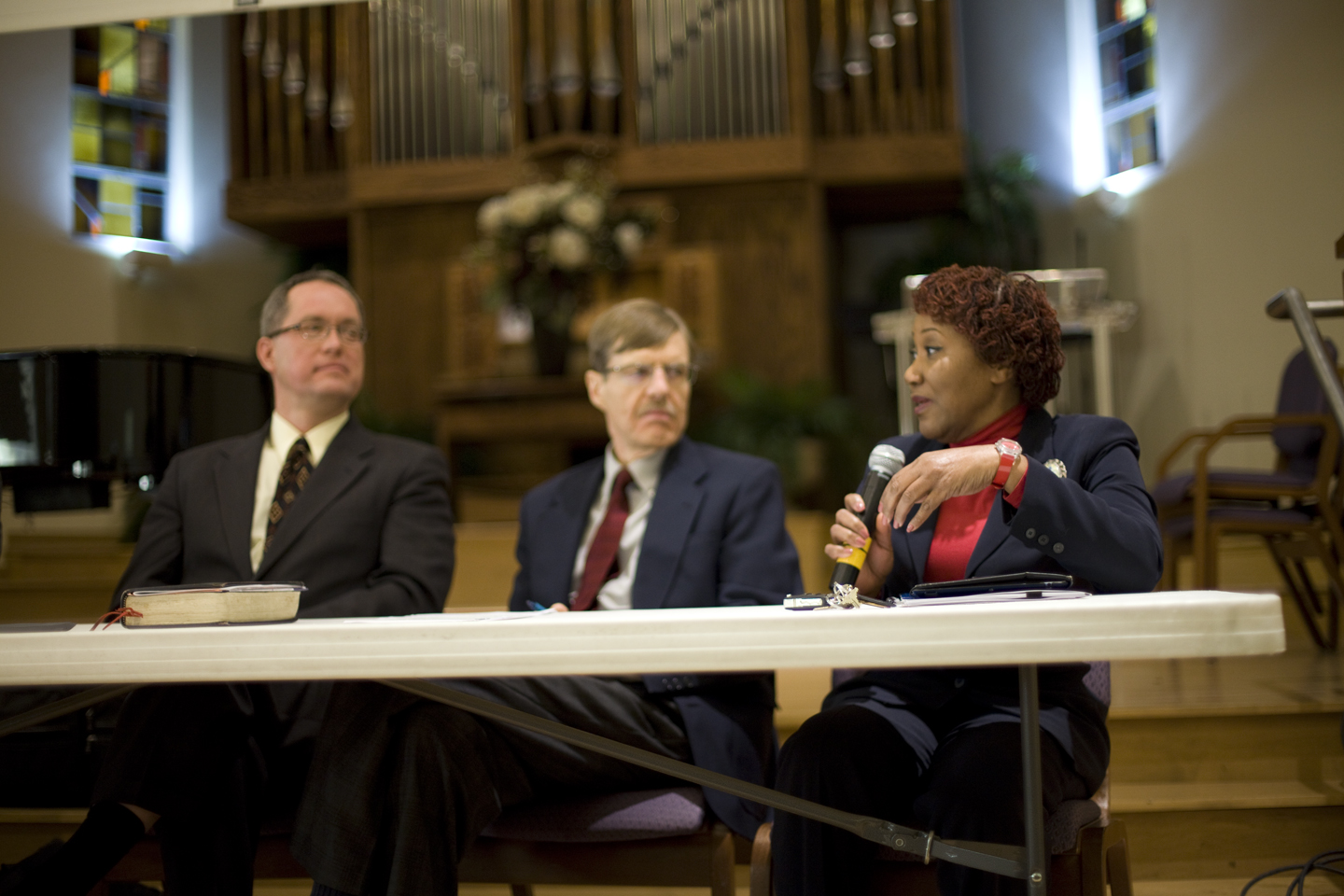
Hyveth Williams speaking during the Current Issues Discussion at the 2014 Ellen White Issues Symposium.

Hyveth Williams speaking during the Current Issues Discussion at the 2014 Ellen White Issues Symposium.

Seminary Adventist History Study Tour August 4-11

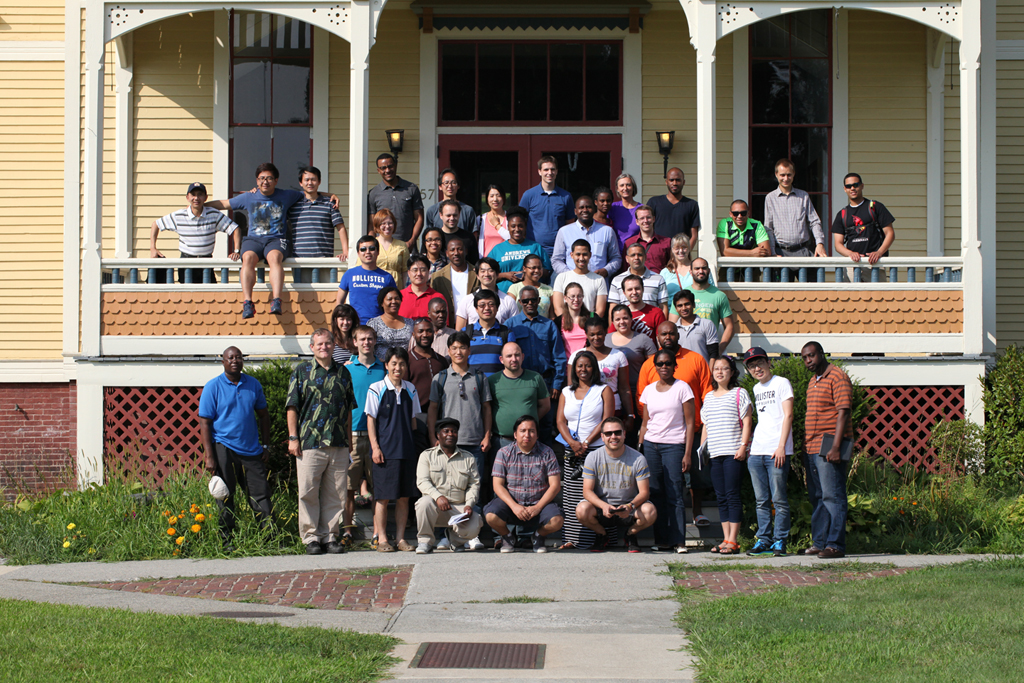
A bus full of students and a handful of spouses toured Adventist History sites in New York and New England August 4-11, 2014. This is an annual event for students of the Seventh-day Adventist Theological Seminary. Many find it a way to connect with the roots of the Seventh-day Adventist church. Marc Mettelus reflected on his experience and said, “I was very blessed by the tour, and the ministry that the tour provided to me.”

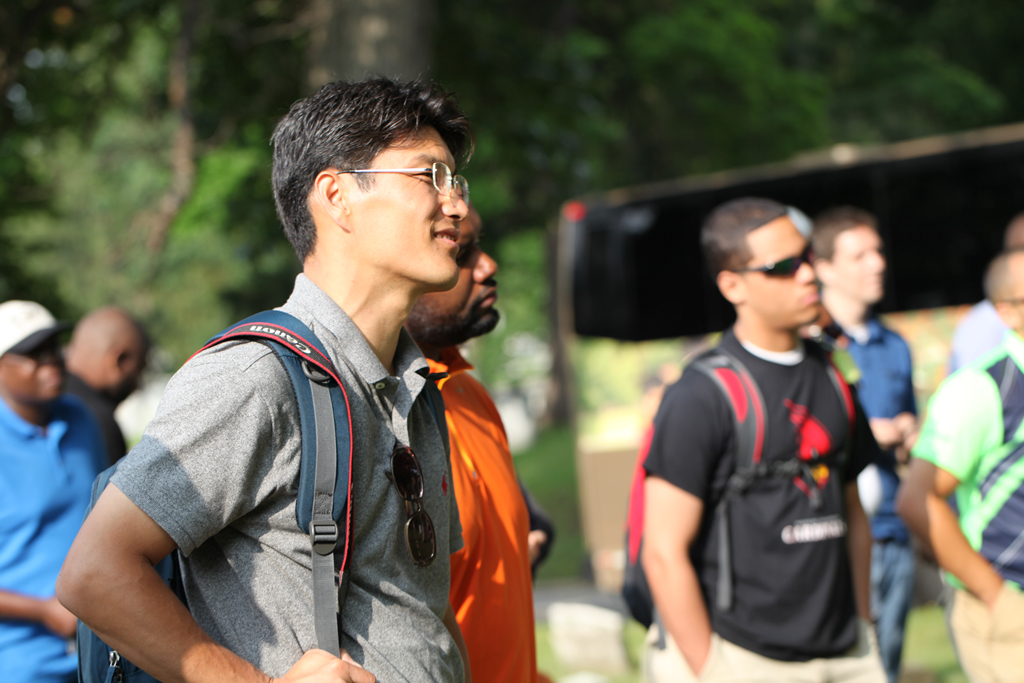
Seokeon Yoon listens to Dr. Burt at the Mount Hope Cemetery.

Seokeon Yoon listens to Dr. Burt at the Mount Hope Cemetery.

In Rochester, New York, the study tour felt like it really started because on this day participants heard a story related to a place while being in that actual place. Previous to this point all the information given had been while traveling on the bus. The first stop was Mount Hope Cemetery in Rochester, New York. In this cemetery are the graves of Mary Andrews, Angeline Andrews, and Carrie Andrews. Nathaniel White and Anna White are also buried here. The character of John Nevins Andrews, the namesake of Andrews University, was drawn, and highlighted were his dedication to scholarship and personal sacrifice and self-depreciation. Later that same day we drove by the home of John Nevins Andrews in North Lancaster, Massachusetts, as well as visited Founder’s Hall at Atlantic Union College, in South Lancaster, Massachusetts.

On the following day the study tour went to Old Sturbridge Village and sites related to Joseph Bates. Old Sturbridge Village puts people in the mindset of life in the 1830s. A few years earlier than the events we focus on during the tour, but a good place to start for getting a feel for how daily life was lived for our Adventist pioneers.

Joseph Bates, one of the co-founders of the Seventh-day Adventist church, grew up in Fairhaven, Massachusetts. His childhood home was near enough to see the ocean-going vessels in the harbor and it is easy to understand how Bates developed a longing to go to sea. Bates spent 20-plus years at sea and retired from being a captain of his own ship with a comfortable fortune. The tour went to the home that he built upon his retirement and later sold to fund the spread of the Millerite Advent message. Along the rocky water’s edge where the old Fairhaven Bridge once stood, participants heard the story of how the Sabbath being the seventh day of the week came to Millerites and to Joseph Bates. Bates then wrote three tracts on the Sabbath, one of which James and Ellen White read and were convinced to start keeping the seventh day of the week as the Sabbath.

Merlin Burt at the North Street Cemetery in Gorham, Maine.

Merlin Burt at the North Street Cemetery in Gorham, Maine.

The next day the tour went to Maine, and the house was pointed out where James and Ellen White were living when they accepted the Sabbath. This was in Gorham, Maine, while the Whites were living with Ellen’s parents in 1847. Gorham, Maine, is also where Ellen was born. She spent many of her growing up years in Portland, Maine. The tour visited many sites in Portland, but because of a fire in the 1860s and construction of newer buildings many of the sites are uninspiring. For example, the spot where Ellen Harmon was baptized is now a parking lot because the city reclaimed land from the bay.

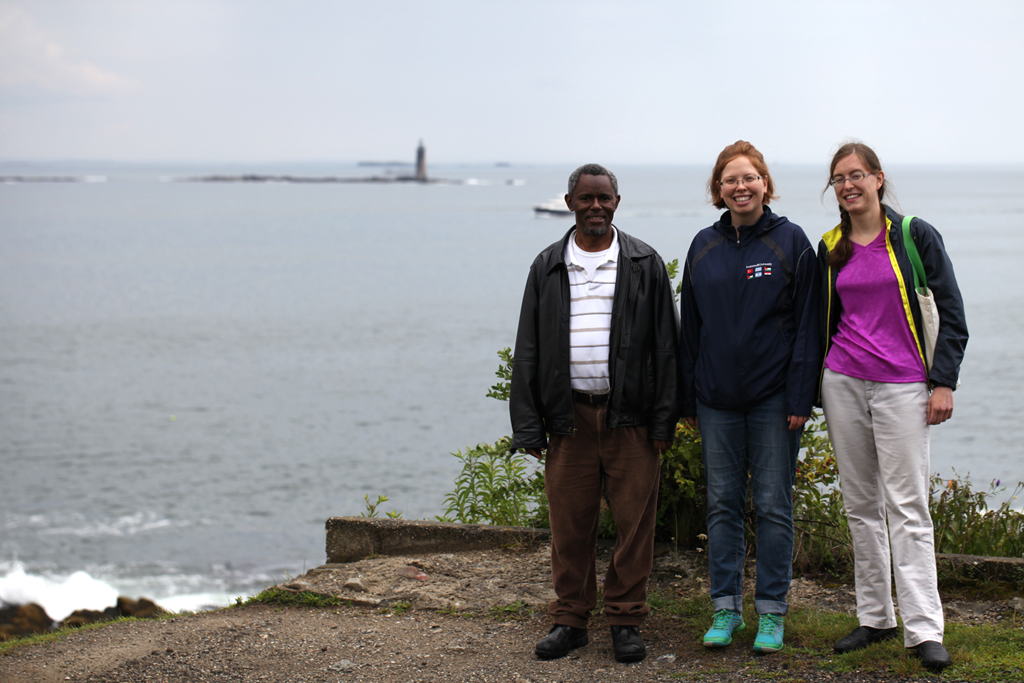
Rama Jean, Amy Moreno, and Sarah Sinz pose with one of the lighthouses in Casco Bay while visiting Fort Williams Park in Cape Elizabeth, Maine.

Rama Jean, Amy Moreno, and Sarah Sinz pose with one of the lighthouses in Casco Bay while visiting Fort Williams Park in Cape Elizabeth, Maine.

The day following Maine was spent in New Hampshire. First, was a visit to the Washington, New Hampshire, Seventh-day Adventist church, which features the Sabbath Trail on its property. After a morning of stories and songs, followed by lunch, a walk along the Sabbath Trail, and taking pictures of the graves of the individuals featured in the stories earlier in the day, the tour went to the childhood home of Uriah Smith and his sister Annie Smith. Annie’s grave is in a cemetery nearby where she is buried near family members.

That evening, the group ate at the Country Life Restaurant in Keene, New Hampshire. This is an independent, Adventist owned, vegan restaurant. Many on the tour considered it to be the best meal of the trip. Christian Ponciano, a Master of Divinity student at the Seventh-day Adventist Theological Seminary, told the proprietor that it was “the best vegan food I have ever tasted.” It was a learning experience for many who were not familiar with the health ministry of these restaurants. It served as an anchor for the lectures about the health message given to the Seventh-day Adventist Church.

Sabbath was spent at the William Miller Farm and chapel. Elder Nix presented the story of William Miller in the chapel. With passion and exhortation he described Miller’s conversion. He held up a cannon ball as a visual aid in describing the war of 1812 and the battle in which Miller took part. Later Elder Nix presided over the tour through Miller’s home.

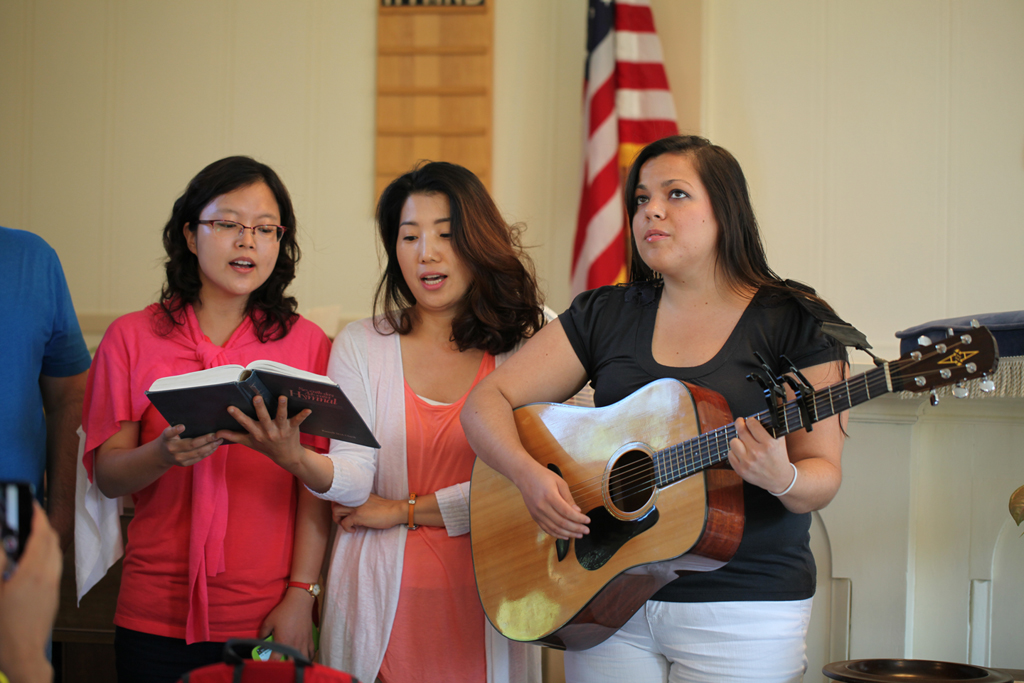
Suh Young Shin, Shin Ju Kim, and Mariesa Tinkham sing, "When He Cometh," at the Roosevelt Seventh-day Adventist Church.

Suh Young Shin, Shin Ju Kim, and Mariesa Tinkham sing, “When He Cometh,” at the Roosevelt Seventh-day Adventist Church.

Sunday morning the group was at the Roosevelt Seventh-day Adventist Church. Dr. Burt had to compress the lectures for the trip because of his need to leave the tour on Sunday night, rather than travel back with the group and lecture on Monday. Because of the time his flight left from Rochester, New York, the time spent at the Hiram Edson farm was shortened and we did not eat supper there but ended up taking it with us and eating it in the parking lot of the hotel.

The last day was characterized by the interstate closing near Buffalo, New York, due to a fuel tanker accident with a cab fire. After the road re-opened we continued on our journey which was interspersed with rain. We were thankful for safe travels and the good weather we had experienced over the last week.

Katy Wolfer, Special Projects Manager / Katy enjoyed the strong musical bent of the participants on the 2014 study tour.

In Their Own Words …

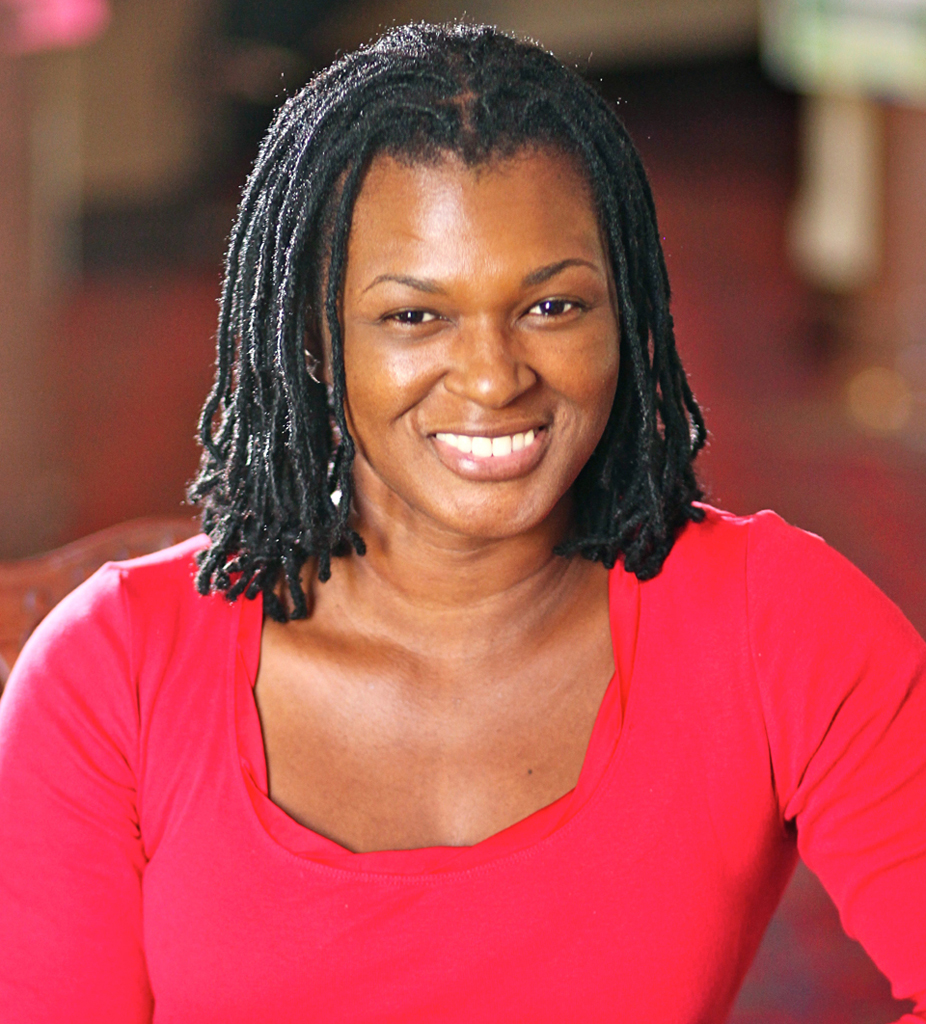
Andria Stewart

Andria Stewart

“I could not have imagined the blessing this tour would’ve facilitated. I wish every Adventist could take the journey. The most memorable moment for me was the visit to the Washington NH SDA church. It was more than just fun learning and singing the advent hymns. When we were enjoined in the circle of prayer, I felt the presence of God in a profound way and in faith I asked for a specific blessing and it is my testimony it has been received. My prayer request in that moment—when our faith was united—was answered. Beyond the spiritual experience, new friendships were formed; renewed commitment to our Adventist heritage was ignited, and I have a greater appreciation for our Adventist Heritage team. This tour will have lifetime impact. Observing the dedication and passion of Dr. Burt and Elder Nix and recognizing the critical importance of this unique legacy, I have decided to pursue an emphasis in Adventist Studies. My experience as a Seventh-day Adventist has been enriched, making me even more proud of our Heritage.”
Andria Stewart
Anibal Santeliz

Anibal Santeliz

“The experience gained through this approach is invaluable. Stories associated with images are difficult to forget, even less when these are real stories, connected with real places, and real buildings. These are wonderful stories, which constitute our own story as a church, and connect us to our past. They are a rich inheritance handed over from one generation to the next generation until our day. This tour imprints an unforgettable and indelible mark on the mind of the student. It gives an assurance that our church is not the result of random chance, nor the will of men, but a creation of the almighty, and omniscient God. He has guided His church through the ages and will brings His people through Heaven’s gates by His power and love and for His eternal glory.”
Anibal Santeliz

Adventist History in the Wild

There are a lot of Adventist History ephemera, photographs, manuscripts, and books that are in archives, libraries, research centers, and vaults of entities that index and catalog. These places can be categorized as “the zoo.” Other items are “in the wild” and are unknown to researchers as of yet. Church basements, family member’s attics, and dusty boxes in used books stores, contain treasures waiting for researchers exploring Adventist history.

Diane Fickett, a church member in the Northern New England Conference, from Friendship, Maine, talked with Merlin Burt and decided to give Adventist historical items in her possession to the Center for Adventist Research. She gave the book “Beautiful Living,” which is signed by S. N. Haskell; a photograph of Charlotte Bourdeau, wife of A. C. Bourdeau; and also a photograph of six unidentified men, possibly related to the Bourdeau family.

Augustin (A. C.) Bourdeau (1834-1916) was a pioneer French language evangelist, conference president, and missionary to Europe. In his early ministry he was closely associated with James and Ellen White.

Stephen (S. N.) Haskell (1833-1922) was an evangelist and an administrator having an impact on many areas including church organization, missions, and education.

“It is exciting to see how many important Adventist historical materials are out in people’s hands. They don’t always appreciate the significance of what they have. I hope that they give thought so that things don’t get lost to posterity,” said Merlin D. Burt, director of the Center for Adventist Research.

Katy Wolfer, Special Projects Manager / Katy enjoys traveling and contemplates in her spare time where she’d go if she had her own sailboat.