Andrews Treasures Exhibit September 27, 2013

Be inspired by God’s leading of His church as you view the original trunk that J. N. Andrews used on his historic mission trip, Uriah Smith’s desk, artifacts from Battle Creek and a display outlining the 150-year history of the General Conference of Seventh-day Adventists. In addition, the Center’s collection includes rare books, a handwritten Bible, Torah scrolls, and Sire Isaac Newton manuscripts.

Recently, CAR transferred old 16mm film of our campus into a digital format, which is now available for your viewing pleasure as part of our Andrews Treasures exhibition. The footage provides a vivid glimpse of life on the Emmanuel Missionary College campus, including 1940 Founders Day, 1941 graduation, construction of Nethery Hall, scenes from the campus farm and dairy, College Press, campus buildings and classroom scenes.
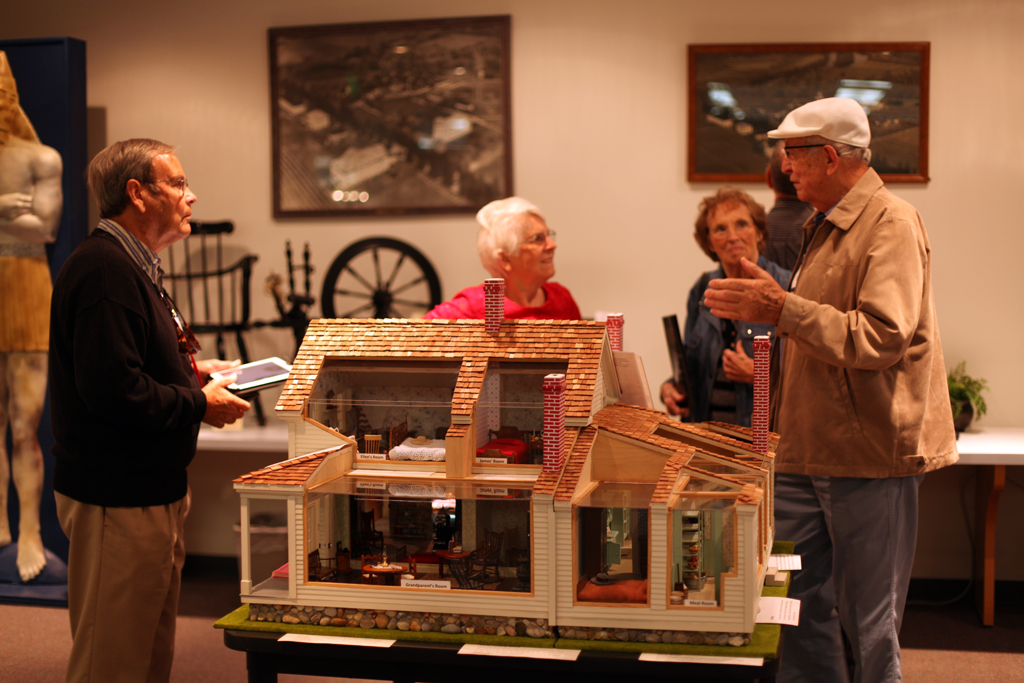
Model of home

Model of Ellen and James White’s home on Wood Street in Battle Creek, Michigan
Andrews Treasures Exhibit September 27, 2013

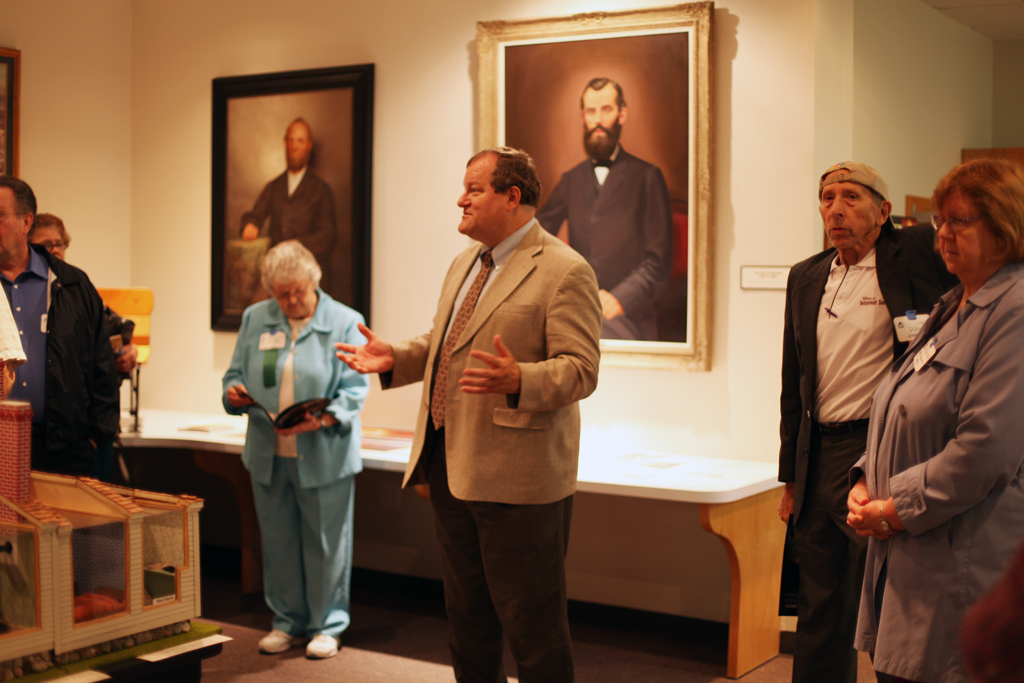
Dr. Burt, director of the Center for Adventist Research, giving an introduction to the Center.
Andrews Treasures Exhibit September 27, 2013

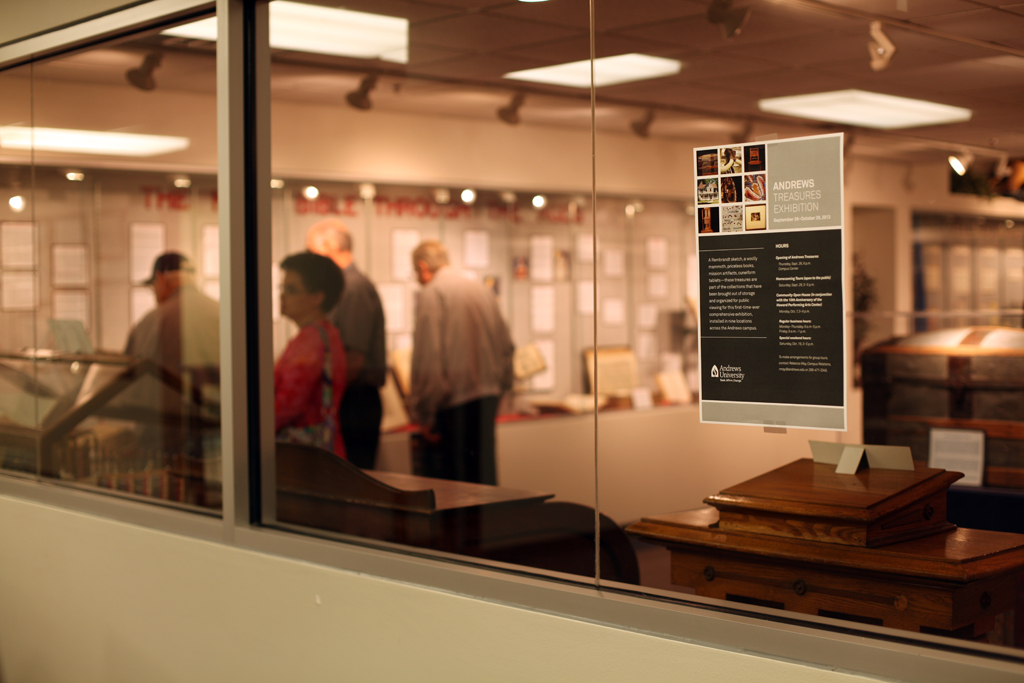
Poster of the Andrews Treasures Exhibit
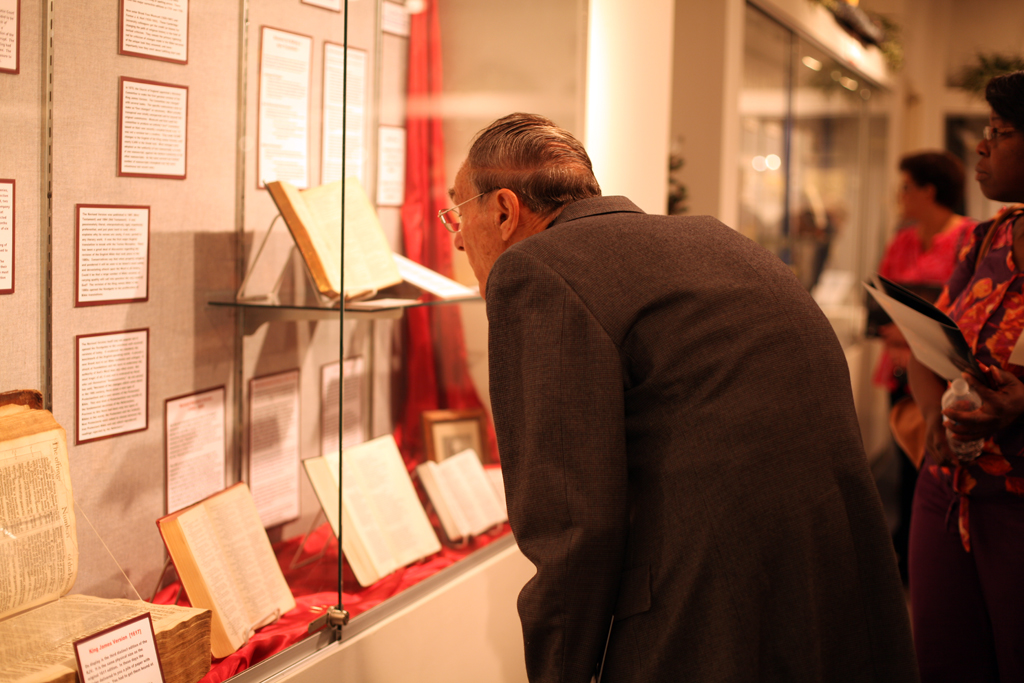
Andrews Treasures Exhibit September 27, 2013

Alumnus of Andrews University viewing the exhibit “The Bible Through the Ages” at the Center for Adventist Research

Andrews Treasures Exhibit September 27, 2013

Alums looking at the Andrews Treasures exhibit at the Center for Adventist Research
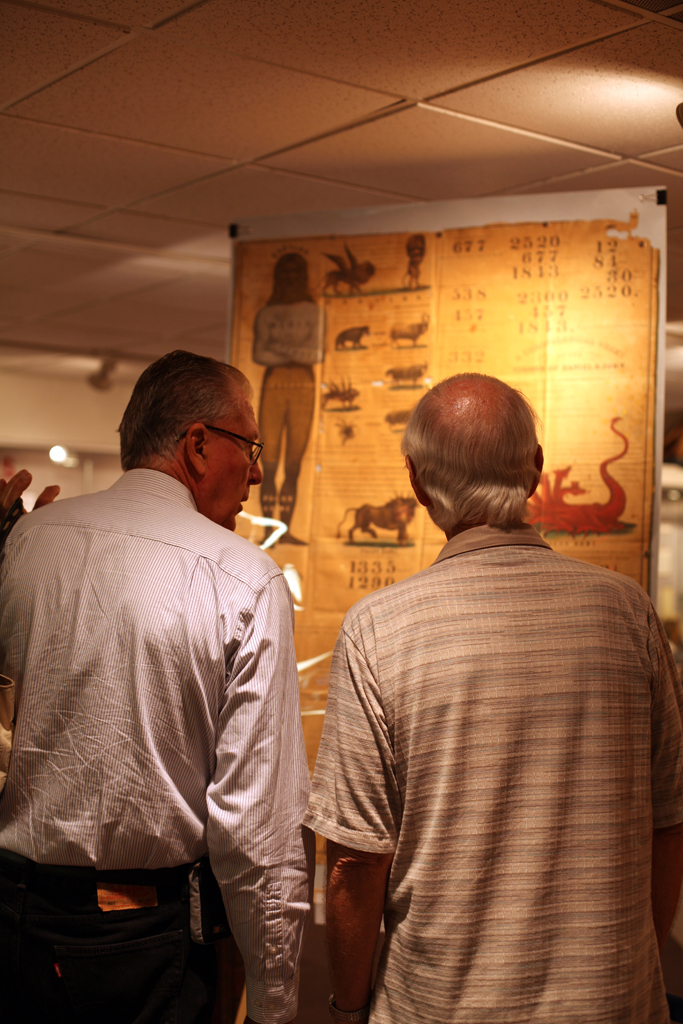
Andrews Treasures Exhibit September 27, 2013

Two visitors at the Andrews University alumni weekend event “Andrews Treasures” view an original 1843 Millerite Prophetic chart on display at the Center for Adventist Research.
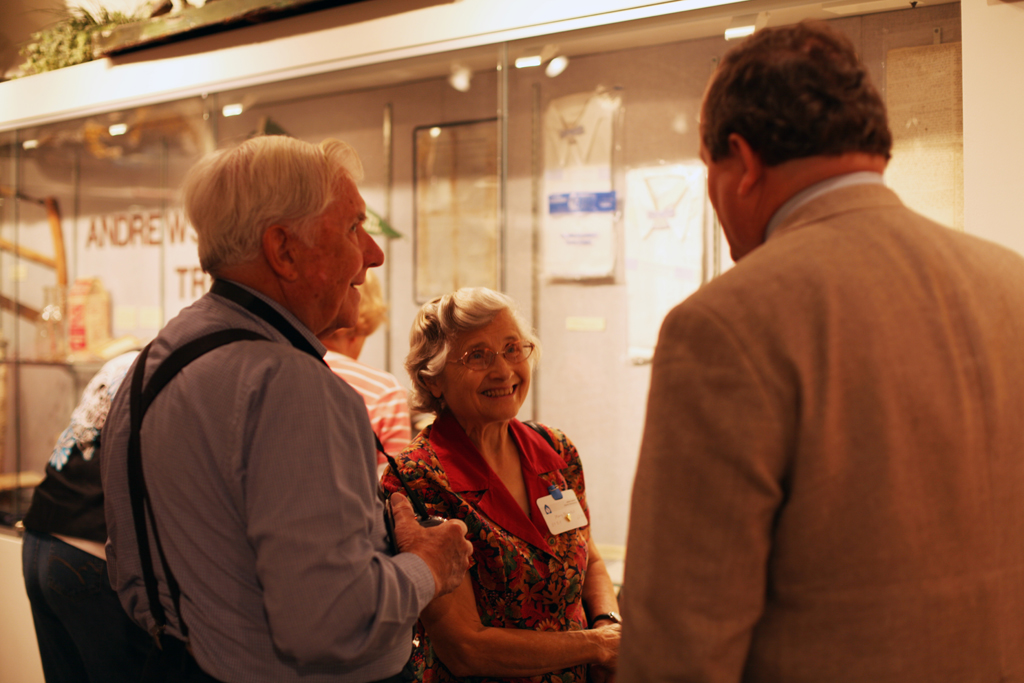
Andrews Treasures Exhibit September 27, 2013

Two visitors talk with Dr. Burt, director of the Center for Adventist Research, while viewing the Sir Isaac Newton manuscripts on display.

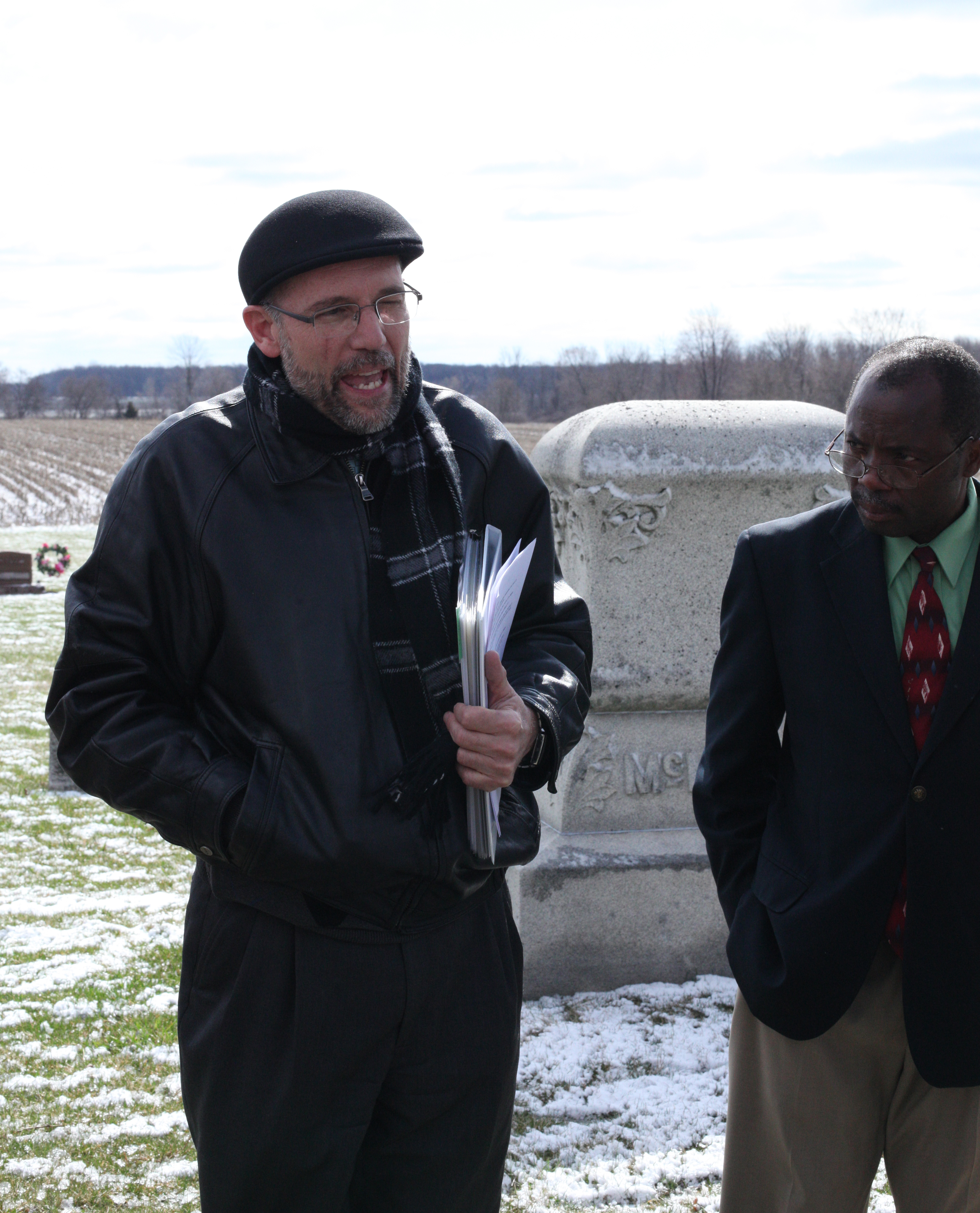
 

2013 Michigan Adventist History Tour

Sabbath, April 20, was the date of the 2013 Michigan Adventist History Tour. The day was cold and there was a dusting of snow when we got off the bus at our first stop, where we looked at the grave of Irving Guilford, nephew of William Miller.

Stan Hickerson tells the story of Irving Guilford.

Stan Hickerson tells the story of Irving Guilford.

Our route took us by the White home in Greenville, Michigan. James, Ellen, and Willie White moved into this home so that James could recover more fully from his stroke. They farmed the land and started construction of their new home.

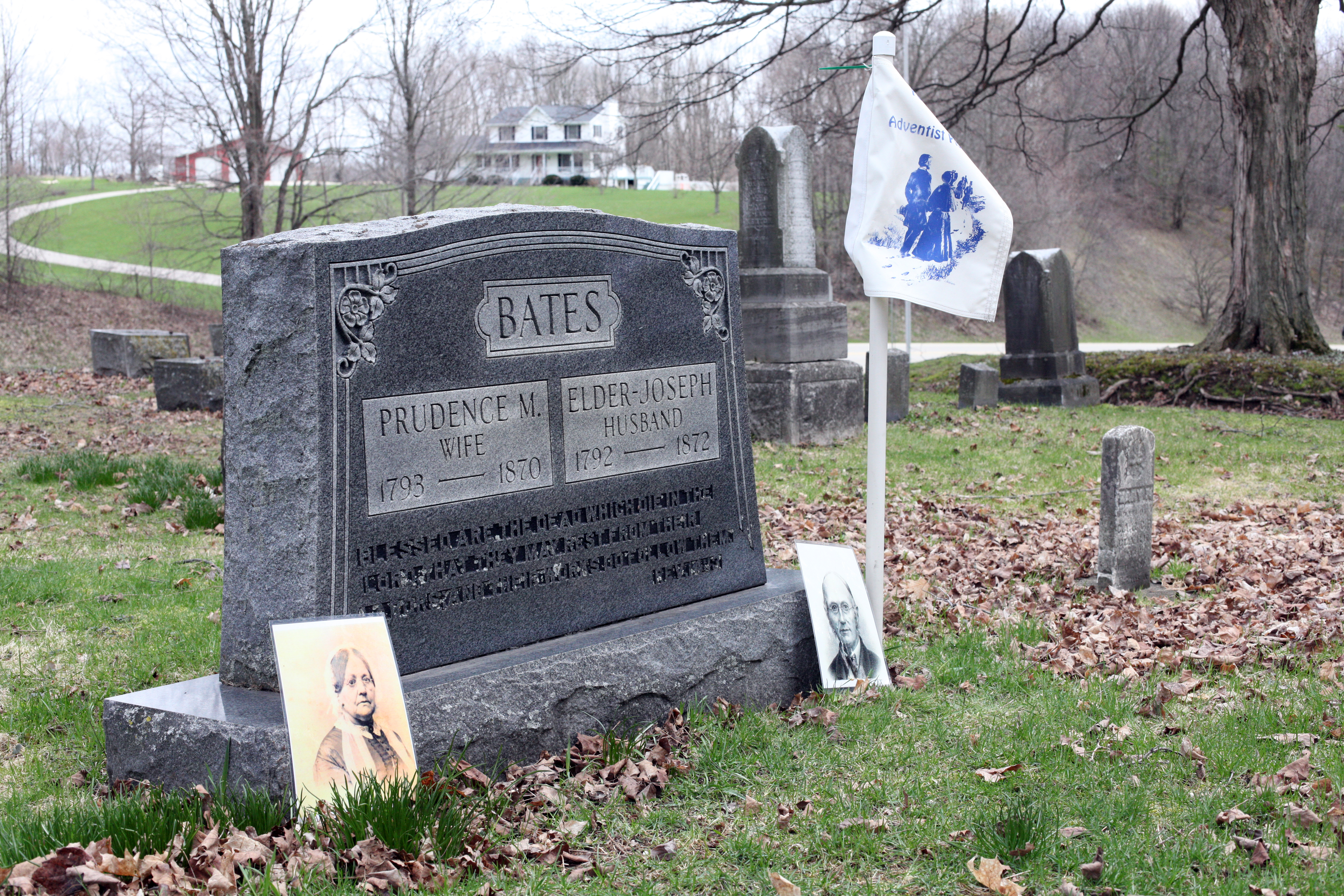
We also drove by Prudence and Joseph Bates home in Monterey, Michigan. We stopped at their grave in the Poplar Hill Cemetery.

Grave of Prudence and Joseph Bates in the Poplar Hill Cemetery.

Grave of Prudence and Joseph Bates in the Poplar Hill Cemetery.

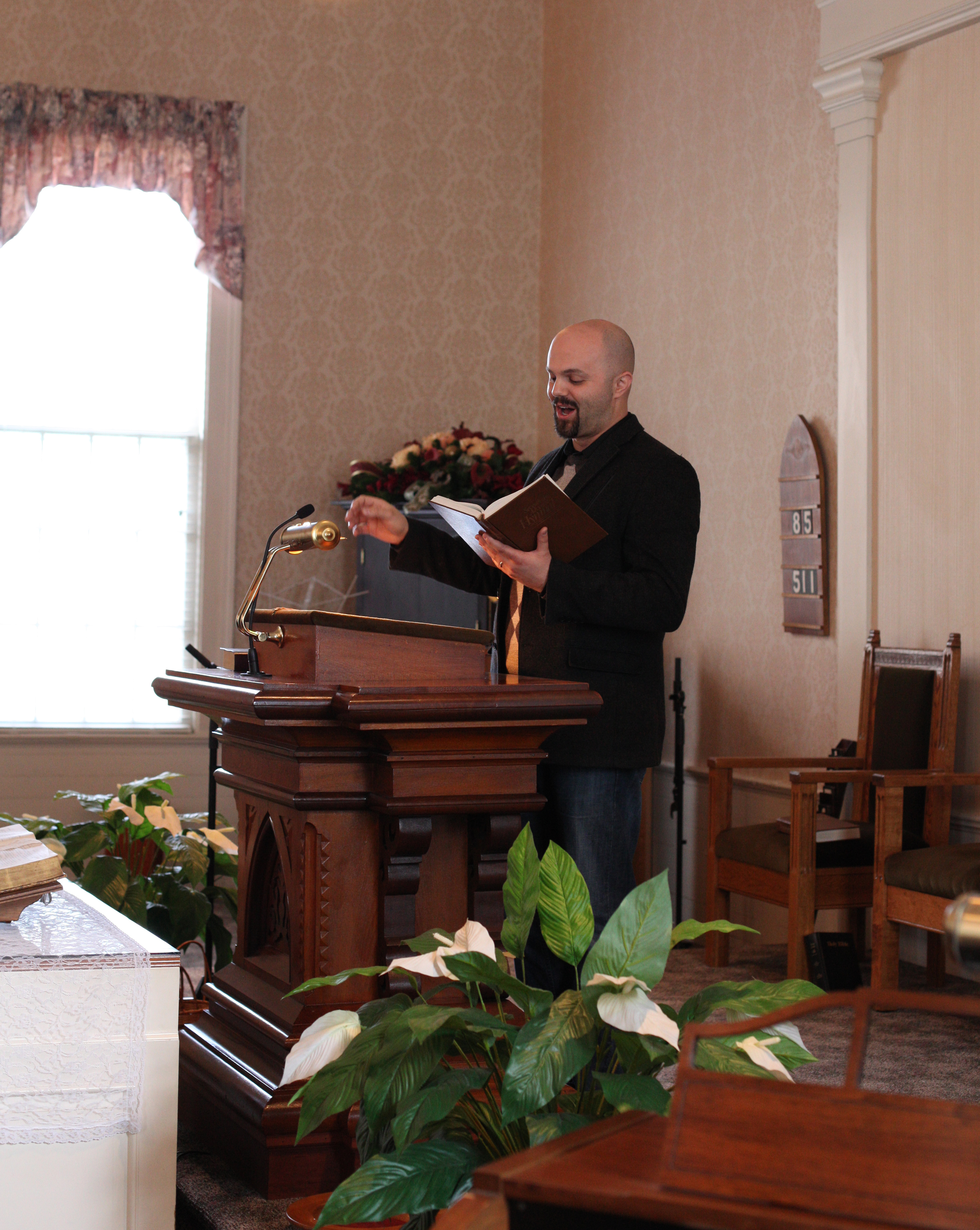
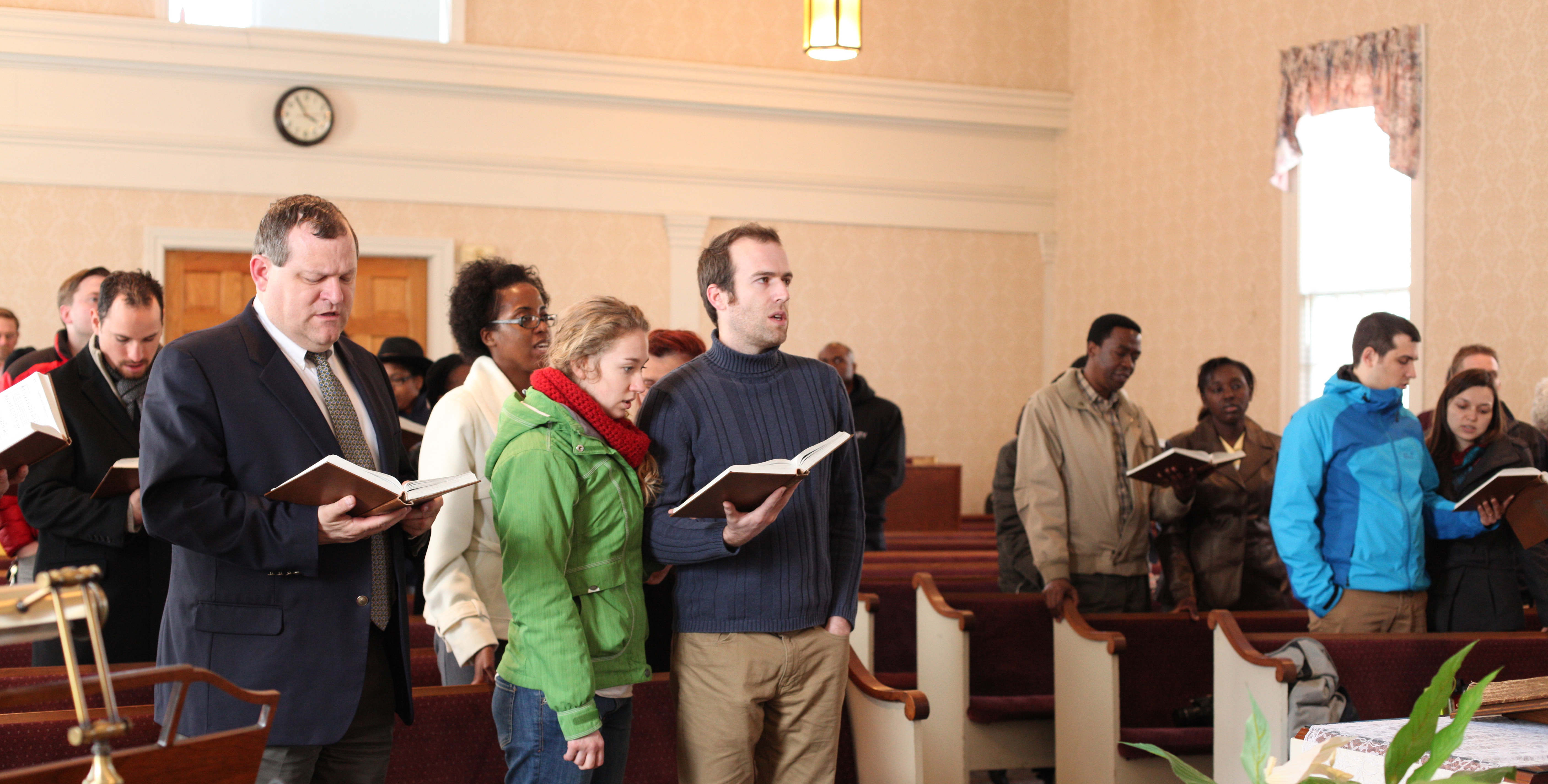
We went to the site where the Morning Star was launched in Allegan Michigan. And finally to the Allegan Seventh-day Adventist Church. David Williams led out in several pioneer Adventist hymns and told stories associated with them.

David Williams led out in early Adventist Hymns.

David Williams led out in early Adventist Hymns.

Singing early Adventist hymns in the Allegan Seventh-day Adventist church.

Singing early Adventist hymns in the Allegan Seventh-day Adventist church.

Successful Ellen White Issues Symposium on March 25, 2013

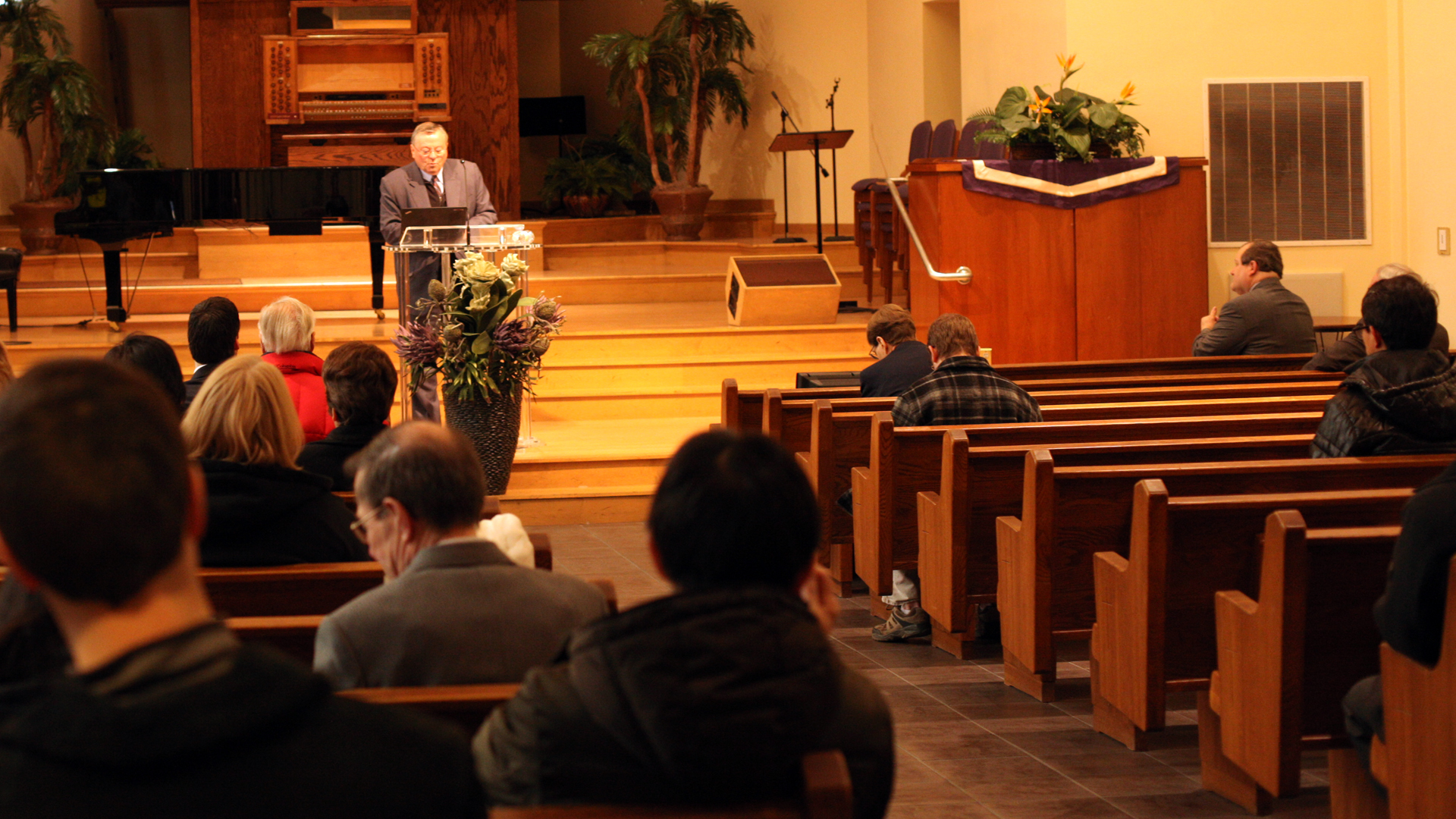
The purpose of this symposium is to break new ground in understanding Ellen White and issues relating to her life, ministry, and prophetic gift that have current importance. The structure of the symposium had some elements of academic formality. Papers were presented with a prepared response followed by a brief responses from the presenters. The papers presented will later be published in a journal that will be available at a reasonable cost. At the symposium were available the published presentations from the previous symposiums. Forms were provided to attendees to give them an opportunity to submit questions. These questions were later discussed as part of the Current Issues Discussion at end of the afternoon.

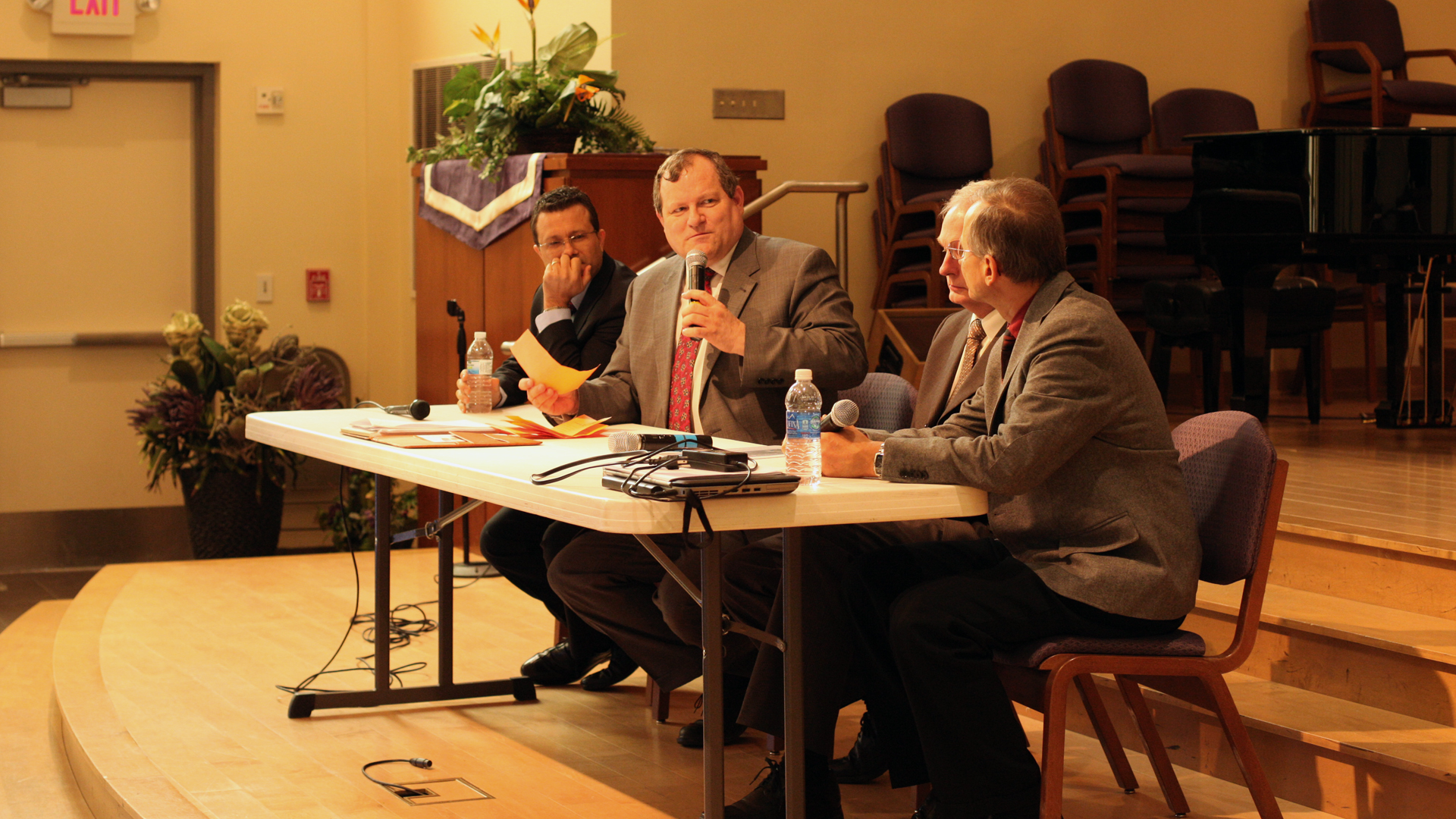
The first speaker of the morning was Benjamin Schoun, general vice-president of the General Conference of Seventh-day Adventists; he gave the devotional talk. James R. Nix, director of the Ellen G. White Estate, was unable to participate due to travel inconveniences, and Nicholas Miller, Professor of Church History, read Nix’s paper, “‘Sickly, Slobbering, Idiots’ and the Story of Albert E. Horsley,” in his place. This inspiring story received a good response despite the author not being present. Theodore Levterov, director of the Ellen G. White Estate Branch Office at Loma Linda University and Assistant Professor of Religion and Theological Studies, his paper was entitled “The Development of the Seventh-day Adventist Understanding of Ellen G. White’s Prophetic Gift, 1844-1889.” Alberto Timm, Associate Director of the Ellen G. White Estate, is a specialist in the development of Seventh-day Adventist doctrines and theology. He presented a paper entitled “Development of Contemporary Issues Related to Ellen G. White.” The final paper presented that afternoon was from Jiří Moskala, and his paper was entitled “Can a Prophet Err?” The last event of the afternoon was the Current Issues Discussion facilitated by Dr. Merlin D. Burt, professor of Church History.

Current Issues Discussion facilitated by Dr. Merlin D. Burt.

Current Issues Discussion facilitated by Dr. Merlin D. Burt.

We look forward to seeing you at the next Ellen White Issues Symposium. Though this will be an academic symposium it is our intention that it also provide spiritual encouragement and inspiration for those who attend.

A peek into the Archives

In preparation for the 75th anniversary of the James White Library the Center for Adventist Research has been sifting through our artifacts to find items from our collection that don’t often get displayed because of the logistics of doing so securely and in a way that will preserve the item.

One such item is a tapestry that was donated to the Center some time ago. It is fragile condition and would require special care to display.

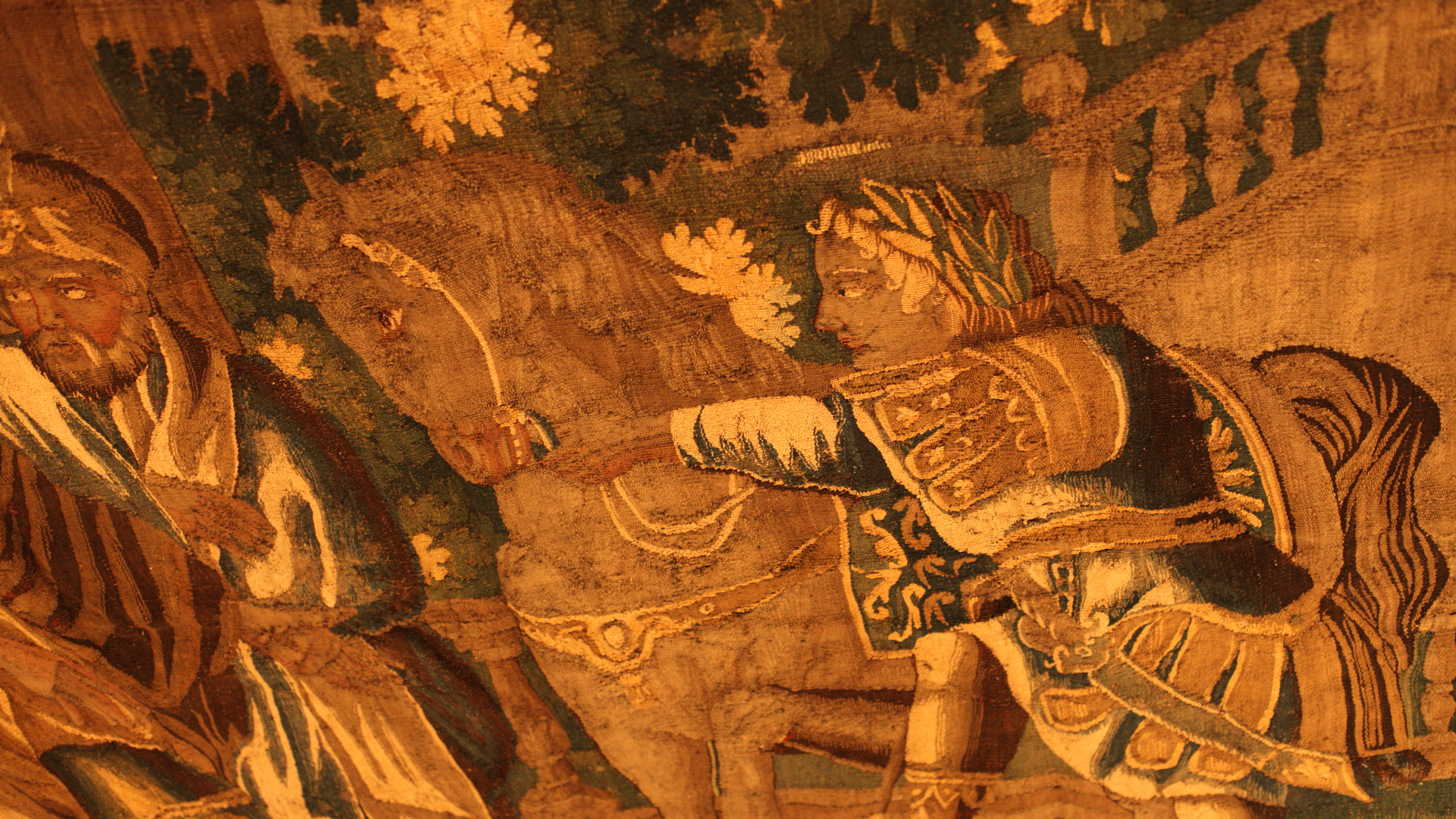
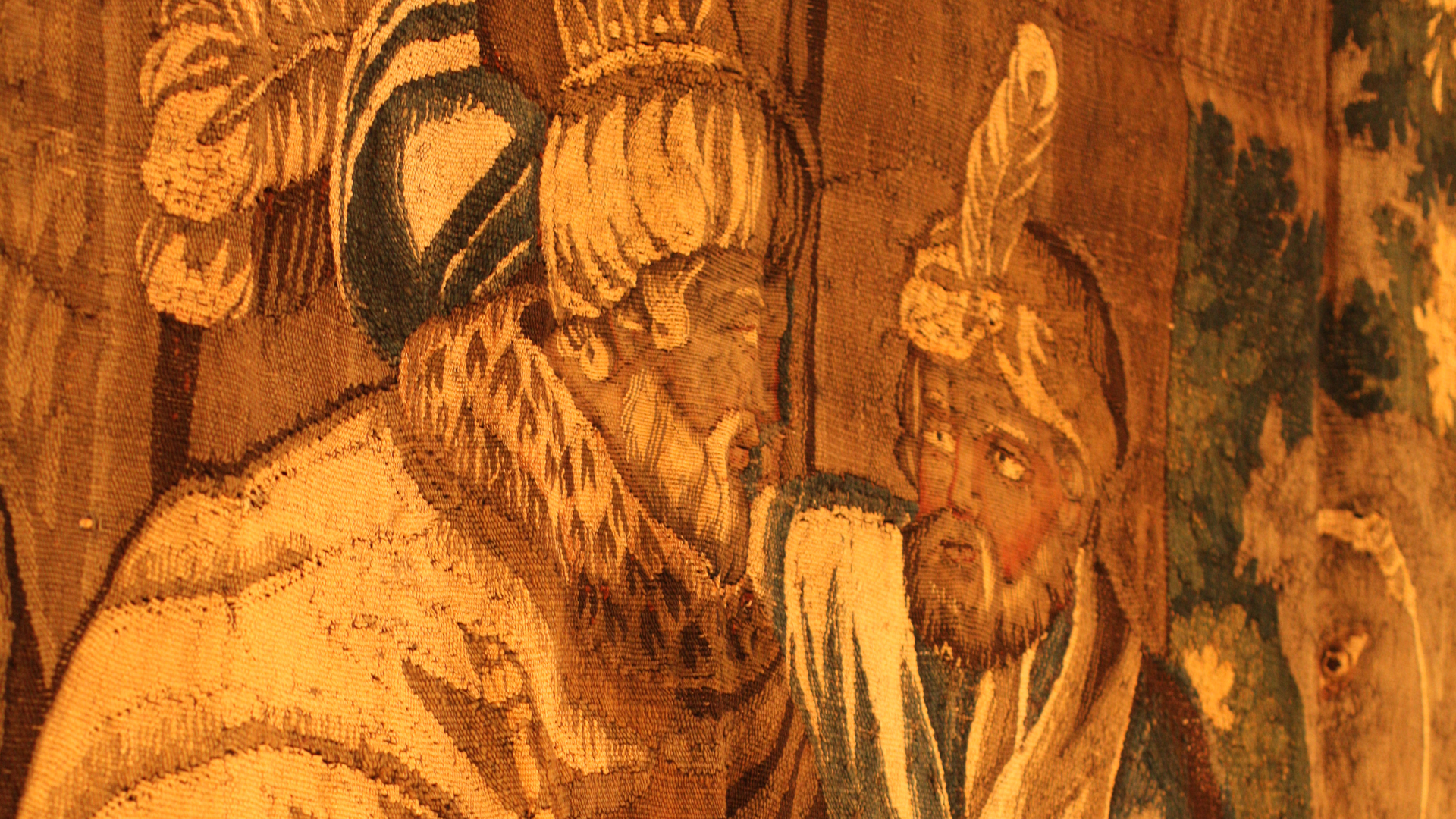
Detail from tapestry found at the Center for Adventist Research. It is a close-up of a man in armor looking up intently.

Detail from tapestry found at the Center for Adventist Research.

The centuries old cloth fibers have faded over time. As we opened up the tapestry we could smell the dust and decay. The muted colors of yellows, browns and greens blended together at first glance the central artwork with its border.

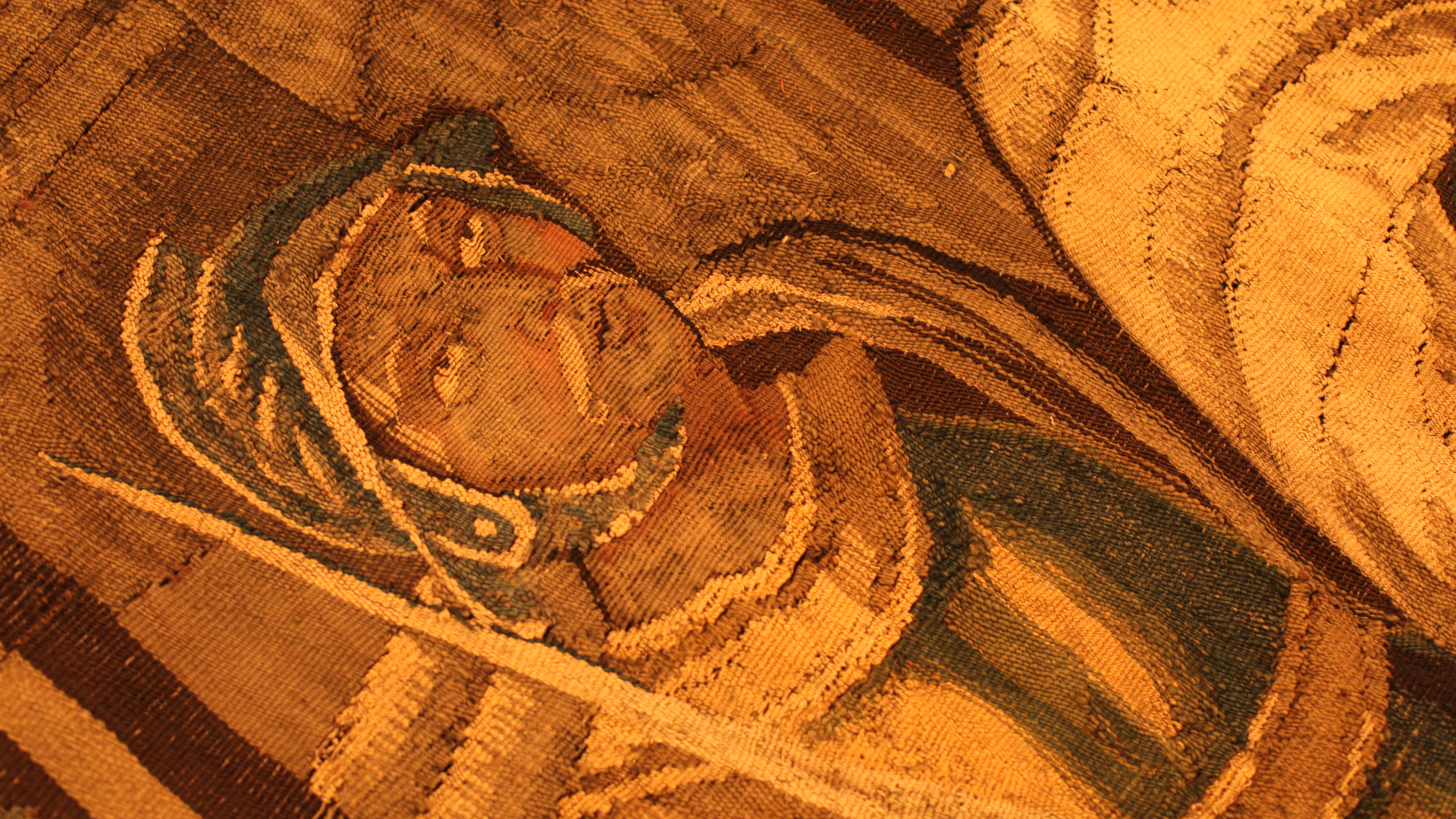
Detail of tapestry at Center for Adventist Research

Detail of tapestry at Center for Adventist Research

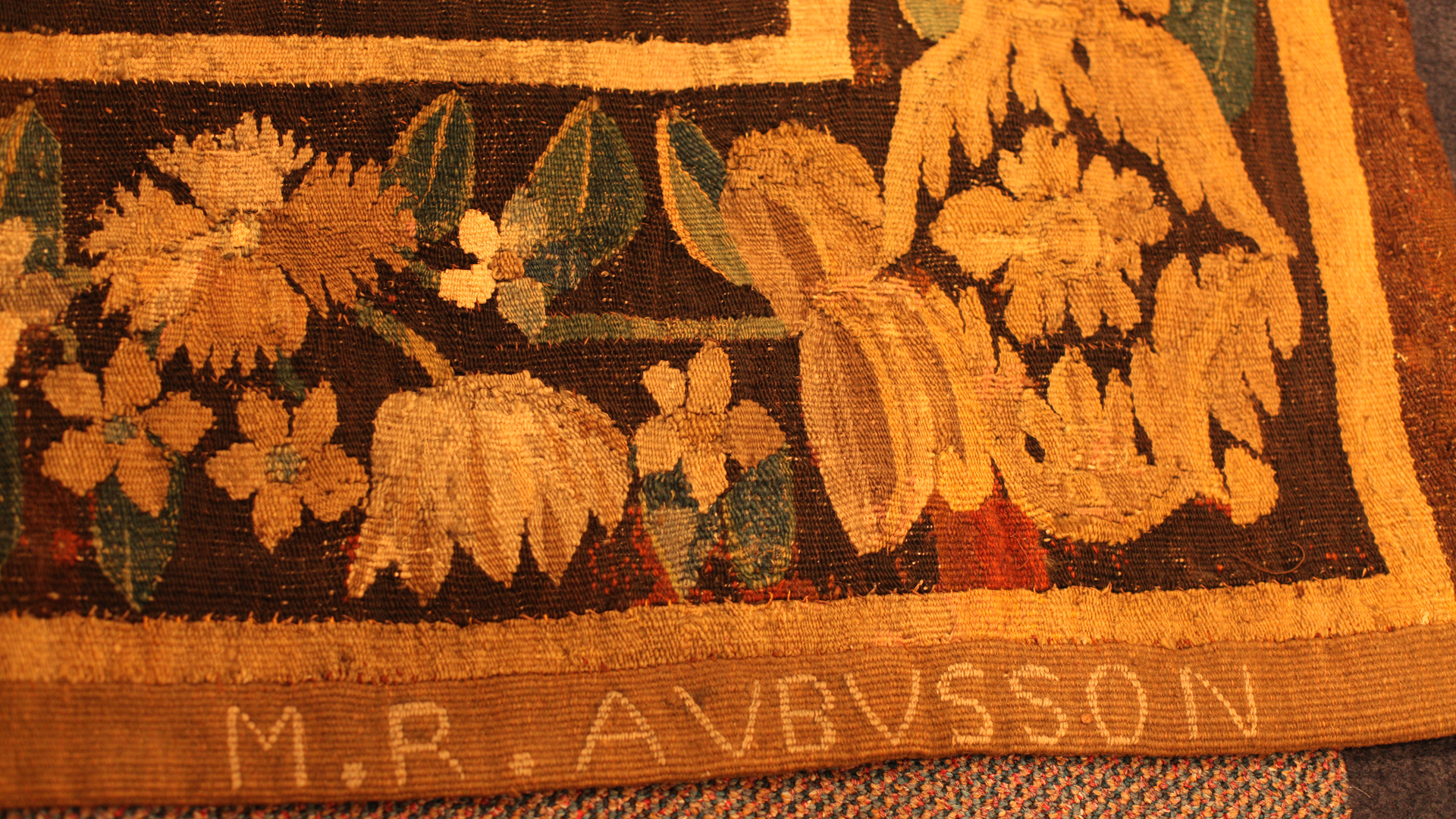
Then details soon called for attention. The intricately woven leaves in the border embraced musical instruments and flowers. Each graphic element representing some idea or thought. With an experts review we could learn their significance. The workmanship was evidenced in the nuanced expressions on the faces of the people featured in the tapestry. Scene is a moment of action frozen in time. One man is about to mount his horse.

Detail of tapestry at Center for Adventist Research

Detail of tapestry at Center for Adventist Research